Exploring the Legacy of the Great Lakes Compact
The Great Lakes have always been more than just a scenic waterway—they are the beating heart of a region rich with history, diverse cultures, and a deep connection to nature. In recent decades, the creation of the Great Lakes Compact has stirred conversations among politicians, water resource experts, and communities. This offshore agreement isn’t merely a paperwork formality; it is a legally binding promise intended to regulate the precious waters of the Great Lakes and their surrounding watersheds.
The compact came into being as leaders worked side by side with scientists and policy players to find a balanced way to use this natural treasure. While some observers see it as a brilliant, forward-thinking initiative, others point to several tricky parts and tangled issues that have emerged over time. In this opinion editorial, we take a closer look at the compact’s origins, its key objectives, and the ongoing debates that continue as Americans fight to protect these iconic waterways for future generations.
Unpacking the Early Days: Politicians and Water Experts Unite
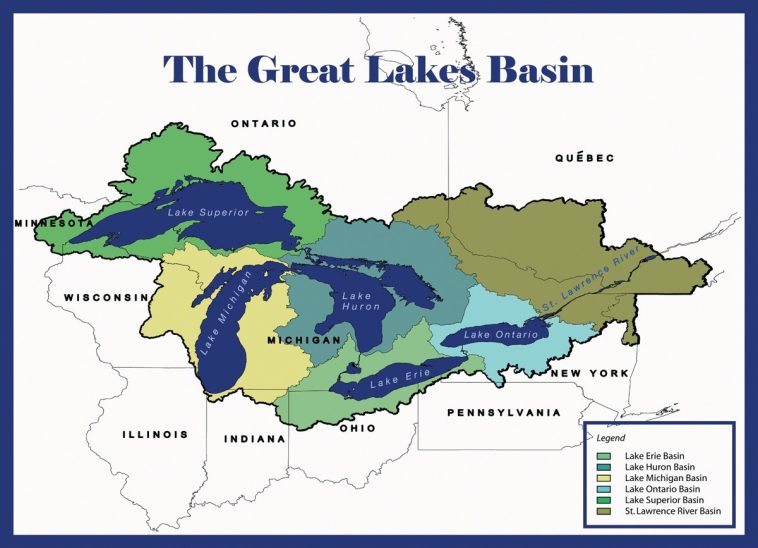
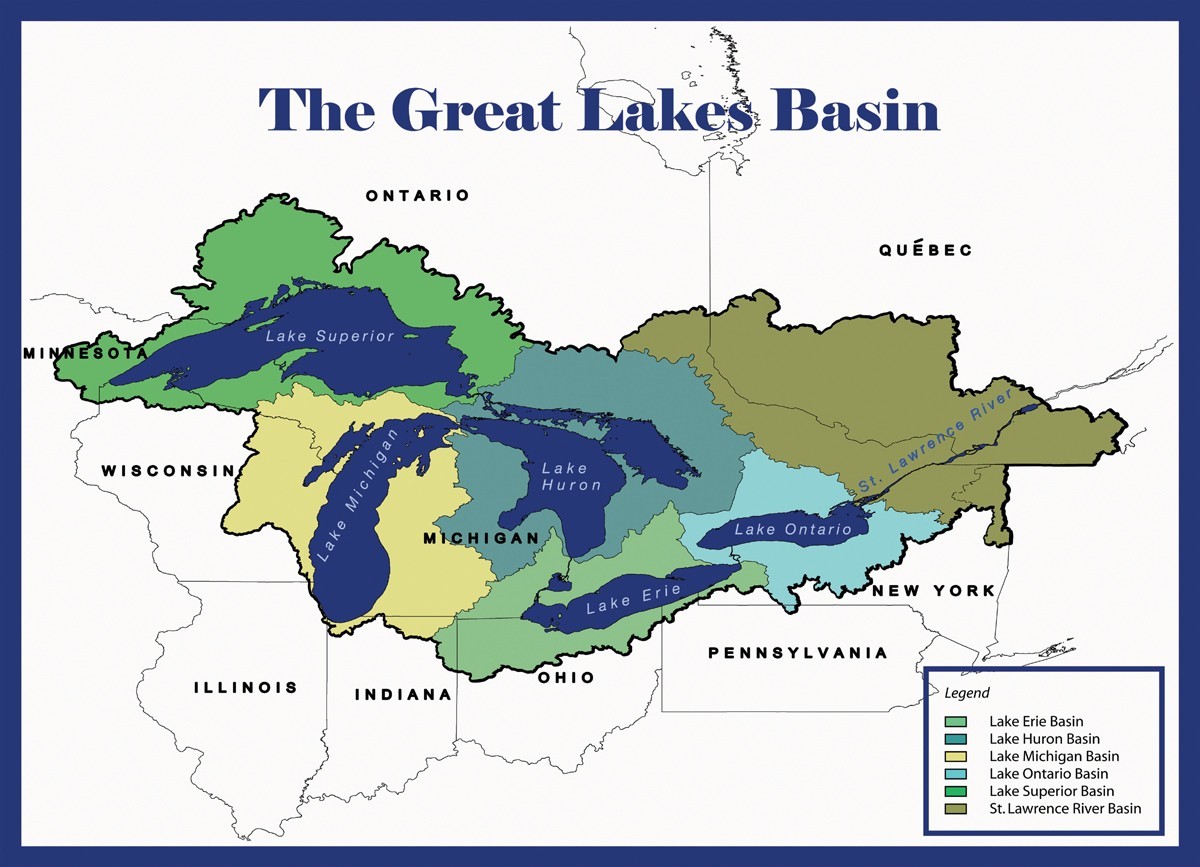
Decades ago, motivated by the need to secure water rights and manage shared resources, a diverse group of legislators and water resource specialists came together with one mission in mind: creating an agreement that would stand the test of time. Their challenge was to steer through complicated pieces—those fine points and subtle distinctions—in water policy. The result was the Great Lakes Compact, a regulatory framework intended not only to protect the water within the lakes but also all the water found in the thousands of connected streams, rivers, and wetlands in the Great Lakes basin.
One might say that the process of formulating the compact resembled an art as much as a science. Policymakers had to figure a path through many off-putting details while balancing environmental interests with economic needs. They looked at the small twists in water transfer policies, making sure that industries, local communities, and native tribes reached a fair compromise. This early collaboration set the stage for a continuing conversation about sustainability and regional cooperation that is more critical today than ever before.
How Historical Agreements Shaped Today’s Water Policies
Historically, local authorities and states have often found it nerve-racking when trying to get all parties to agree on the best way to use shared resources. Stemming from a time when water was plentiful and travel between states was not as regulated, the modern Great Lakes Compact represents a turning point. It acknowledges that water, with all its potential for both prosperity and environmental risk, might be better treated as a finite resource that must be managed carefully.
Reviewing older practices, it is clear that the success of such agreements depended on thinking ahead and setting clear boundaries. Looking back, one sees examples of regional mismanagement where water was overused or diverted in ways that led to environmental degradation. These lessons learned have strongly influenced how current policymakers, who are still dealing with intimidating amounts of past data and regulatory history, try to steer through today’s challenges in water management.
The Great Lakes Compact in Today’s Context
While the compact remains a cornerstone of regional water policy, much of its ongoing implementation entails working through several puzzling bits and intricate details that are both off-putting and overwhelming. Current debates often involve figuring a path through stormy political waters, where each stakeholder has slightly different ideas of what must be done to preserve the lakes.
One emerging challenge is the question of water transfer. In today’s world, where climate change is making weather patterns more unpredictable, careful regulation of water resources is more important than ever before. The compact now faces modern challenges that require everyone—from rural residents to urban planners—to collaborate and find a common ground. One can express concern that if any significant changes to water usage policies are overlooked, the entire basin may be loaded with problems, affecting everything from municipal water supplies to industrial processes and recreational pursuits.
Learning from Regional Leaders: Successes and Setbacks
Recent news stories have highlighted both significant wins and concerning setbacks in the ongoing dialogue around the Great Lakes. For instance, several local projects aim to celebrate the historic legacy of these great waterways by promoting tourism and community engagement. Meanwhile, other initiatives point to potential areas of friction, where outdated policies clash with modern needs. The compact is not a static document—it is continuously tested by new environmental challenges and ever-evolving community interests.
This dynamic landscape serves as a reminder that policymakers are tasked with re-examining and sometimes reworking agreements long after they are signed. In many ways, this political reality is a microcosm of a broader debate about natural resource management in America and beyond.
Defending the Natural Treasures: Environmental Implications of the Compact
Beyond its legal and political framework, the Great Lakes Compact has a crucial role in safeguarding the region’s natural environment. The ecosystem of the Great Lakes basin is remarkably diverse, home to numerous fish species, migratory birds, and other wildlife that depend on both the main lakes and their tributaries for survival. The compact is designed to help preserve these habitats against threats like pollution, invasive species, and unsustainable water extraction.
Experts argue that by carefully regulating water transfers and usage, the compact helps ensure that ecological balances are maintained. However, continuing environmental challenges, such as the warming of water temperatures and the introduction of non-native species, mean that decisions must be made with both caution and foresight. Regional cooperation is key, ensuring that every community and stakeholder does their part to ensure that the lakes remain healthy and vibrant for future generations.
Confronting the Impacts of Climate Change on Water Resources
The relationship between environmental challenges and water management policies is an intricate dance of small distinctions that have a big impact. As climate change introduces unpredictable weather patterns and intensifies the risk of droughts or storms, the leadership that developed the compact now finds itself needing to manage your way through a maze of unexpected issues. This ever-changing reality calls for both immediate action and long-term strategic planning.
From rising water levels to more frequent heatwaves, the Great Lakes are experiencing conditions that many experts didn’t foresee when the compact was first drafted. The responsibility to adapt to these changes falls on modern stakeholders, including indigenous groups, local governments, and environmental scientists. They must work together, sharing data and best practices, to figure out a path that ensures sustainable water management while still protecting the environment.
Local Communities and Regional Cooperation: A Shared Responsibility
One of the compact’s strengths is its promotion of regional cooperation. The agreement recognizes that protecting such a vast and interconnected resource requires not only business and political will but also strong community support. Local residents know firsthand the significance of the lakes—not just as a water source, but as a part of their identity and lifestyle. Their active involvement ensures that the policies remain grounded in the real-life experiences of those who live near the Great Lakes each day.
Many communities have embraced local stewardship strategies that complement the broader objectives of the compact. By engaging in lengthy conservation projects, spearheading environmental cleanup initiatives, and actively participating in water quality monitoring, these groups have shown that success demands collaboration across all levels—from county boards to state administrations.
Grassroots Movements and Public Engagement in Water Protection
Grassroots organizations have emerged as key players in the ongoing effort to monitor and protect the Great Lakes. Many local and regional groups have teamed up with environmental advocates to spread awareness about the importance of preserving these waterways. Their efforts include educational campaigns, community fundraisers, and volunteer events aimed at cleaning up shorelines and monitoring water quality.
The following bullet list outlines some of the community-driven actions that exemplify this trend:
- Coordinated shoreline cleanups and invasive species removal.
- Educational seminars on water conservation and sustainable practices.
- Local fundraising events to support environmental research and habitat restoration.
- Citizen science programs where residents relay important water quality data to local authorities.
- Advocacy campaigns that ensure local voices are heard in policy discussions.
These initiatives provide an essential reminder: securing the future of the Great Lakes requires input from every stakeholder. By getting into the nitty-gritty of water policy at a grassroots level, local activists ensure that their perspectives are woven into the broader tapestry of regional water management.
Modern Challenges: Economic Pressures and Industrial Demands
Even as environmentalists and community advocates champion the cause of water sustainability, the Great Lakes Compact is often tested by a very different kind of pressure—economic development. Industrial expansion, growing urban centers, and the ever-present demand for water in agriculture and manufacturing all exert their influence on water policies. Balancing economic growth with conservation is a tricky dance that is loaded with issues and requires constant vigilance.
Urban growth has led to increased demand for water, which in some cases might lead to extractions that could threaten the equilibrium of this intricate ecosystem. Industries, particularly those based in states surrounding the lakes, rely on stable water supplies for production and energy generation. The compact, therefore, has often had to reconcile the urgent needs of economic development with the longer-term goals of environmental protection.
Stakeholders must figure a path that takes into account both immediate economic priorities and the long-range stability of the Great Lakes basin. In light of the industry’s reliance on natural water resources, it is clear that a solution must nurture growth and environmental care in equal measure—an approach that is both practical and essential.
Balancing Job Creation with Sustainable Water Use
One of the finest examples of dual-purpose policy in action is the way regional leaders have tried to balance job creation with sustainable water management. The Great Lakes region is a hub of industry, but it is also a cherished natural resource. Striking the right balance means that while new projects are encouraged, they must be implemented in a way that does not compromise the health of the water or the ecosystem.
The following table summarizes some of the common challenges and approaches in achieving this balance:
| Challenge | Approach |
|---|---|
| High water demand for industry | Implementing strict water usage quotas and monitoring systems |
| Risk of water contamination from industrial waste | Enhancing water treatment protocols and environmental oversight |
| Economic pressures for rapid development | Encouraging green technologies and supporting eco-friendly businesses |
| Balancing urban growth with rural conservation | Developing region-specific policies that address local needs |
This simplified table helps illustrate that while the economic development of industries is a super important issue, preserving the water and ecosystem of the Great Lakes remains a top priority. Stakeholders have resolved that both sectors can, and must, work collaboratively rather than viewing each other as adversaries.
Dealing with Regulatory Twists and Turning Points
No discussion of the Great Lakes Compact can be complete without addressing the detours and surprising turns that have emerged in its history. Even carefully crafted agreements are subject to the twists and turns of evolving political landscapes, economic pressures, and environmental emergencies. While the compact was intended to be a bulwark against the unchecked use of water resources, recent debates have shown that regulations sometimes face new challenges in the modern era.
For some, this is a sign that revisiting and revising the compact is necessary. Others believe that the compact is still robust enough to manage emerging challenges, provided that policymakers are willing to figure a path out of every tricky piece and tangled issue that modern demands have set in motion. The reality is that any system dealing with natural resources will always carry the burden of unforeseen pressures and demands. The art of managing these is about flexibility and the willingness to engage with new data as it comes in.
Some of the key areas that have sparked lively discussion include:
- Debates over water transfers between states
- Encroachment from industrial activities near key water deposits
- Reactions to unexpected climate patterns affecting water availability
- Legal disputes over permitted versus non-permitted water usage
Each of these areas is a reminder that even the most well-meaning policies need to be revisited as conditions change. In this regard, the Great Lakes Compact continues to serve as an evolving blueprint—a document that must be continuously refined to prepare for future uncertainties while learning from past experiences.
Addressing Public Concerns and Building Trust
Another essential aspect of the ongoing conversation about the Great Lakes Compact is the public’s trust in those who manage it. Local communities, environmental groups, and business interests all have a stake in how the water is managed. It is therefore critical for policymakers to keep lines of communication open and to involve these groups in discussions about changes or new initiatives. Open public forums, transparency in decision-making, and active dialogue about water management policies can all help build trust.
Public concerns often center around potential changes in water regulation that might seem overwhelming at first. For example, extensive data sharing and close monitoring of water quality can appear off-putting or even intimidating for citizens unfamiliar with the technical aspects of environmental policy. Yet, by breaking down the confusing bits into plain language and ensuring that the benefits of such measures are understood, administrators can foster a sense of shared purpose and pride in the region’s natural assets.
The Future of the Great Lakes: Challenges and Opportunities
Looking forward, the Great Lakes Compact must continue to evolve to meet the demands of a changing world. The future of these critical water resources depends on the ability of regulators, industry leaders, and local communities to work together. As technology advances and data collection methods improve, there is great potential for smart solutions that combine economic growth with environmental protection.
Among the super important opportunities is the chance to deploy innovative water-saving technologies. New methods in water treatment, real-time monitoring of water quality, and predictive modeling are paving the way for effective management strategies that promise to balance the needs of both public and private sectors.
Moreover, the expanding role of citizen science in water quality monitoring offers another bright beacon for the future. By empowering local residents with the tools and knowledge to track changes in their environment, the compact’s framework may become more adaptive and responsive. Such collaboration not only improves data accuracy but also encourages a culture of environmental stewardship throughout the region.
Toward a Collaborative Road Map for Sustainable Water Use
In developing future strategies, stakeholders should consider creating a collaborative road map that includes all interested parties. This approach could involve periodic reviews of water usage projects, pilot programs for new water conservation techniques, and regular public forums to address both concerns and innovative ideas. The aim is not only to protect today’s needs but also to pave a long-term path that secures the health of the Great Lakes for future generations.
Some key components of such a collaborative approach might include:
- Regular updates on water quality and water usage statistics that are easily accessible to the public.
- Workshops and educational programs designed to highlight the benefits of sustainable water management.
- Partnerships between academic institutions, government agencies, and local communities to research new conservation methods.
- Transparent decision-making processes where policy changes are clearly communicated and justified.
- Emergency response planning aimed at dealing with unexpected environmental changes.
This strategy is a reminder that the battle to protect the Great Lakes is ongoing. Every policy review, every new initiative, and every community project counts. In turning our collective attention to sustainable water use and the need for up-to-date management practices, it becomes clear that the delicate balance between development and conservation is a living challenge—one that requires continuous collaboration and innovation.
Reflecting on a Shared Responsibility
The story of the Great Lakes Compact is one of compromise, innovation, and continuous adaptation. In many ways, it is a testament to the dedication of countless leaders and community advocates who recognized early on that managing a shared natural resource requires navigating through twisted issues and occasionally overwhelming barriers. While the compact has faced its share of surprising turns, its enduring legacy is built on the idea that protecting our natural environments is a shared responsibility—a challenge that goes beyond political boundaries.
For many, the compact serves as a reminder of what can be achieved when diverse groups decide to work through the nitty-gritty of practical water management. Whether it’s ensuring that water for domestic use is always available or safeguarding habitats for rich biodiversity, every element of the plan has been designed to tread lightly on this precious resource while powering economic and cultural progress.
A Call for Continued Engagement and Vigilance
Today’s watchers of the Great Lakes are encouraged to remain engaged with water management discussions. Public involvement is not only advantageous; it is essential in making sure that every policy aligns with local interests and environmental necessities. By staying informed and by participating in community forums and local initiatives, residents can help shape policies in ways that reflect both modern realities and time-honored values.
It is vital that every individual affected by decisions on water management recognizes that they have a role to play. Whether it is through grassroots advocacy, collaborating on scientific studies, or simply staying aware of local water issues, every small action contributes to a larger, collective effort to safeguard the Great Lakes. In doing so, the citizens of this vast and diverse region can help ensure that future generations inherit not only a legacy of natural beauty but also one of responsible, thoughtful management.
Conclusion: Meeting the Challenges Ahead
The Great Lakes Compact stands today as both a historical agreement and a living document, constantly evolving in response to new challenges and opportunities. While its passages are filled with tricky parts, tangled issues, and intimidating policy details, the core mission remains unchanged—to secure and protect the waters of the Great Lakes and the surrounding ecosystems.
In embracing new technologies, fostering local initiatives, and encouraging collaborative dialogue among all stakeholders, the compact continues to offer a blueprint for responsible water management. As political landscapes shift and environmental conditions change, we must remain agile and open to adjusting policies in ways that serve both economic and ecological interests simultaneously.
In the end, the story of the Great Lakes Compact is a human story—one of shared responsibility, enduring cooperation, and a steadfast commitment to the natural world. It is a call for us all to sift through the confusing bits of modern policy and make choices that prioritize long-term sustainability over short-term gains.
While the road ahead may still be filled with off-putting challenges and nerve-racking decisions, there is hope in the collective determination of those who love these majestic waterways. By taking a closer look at past successes and learning from every twist and turn along the way, future leaders and communities can continue working together to ensure that the Great Lakes remain clean, safe, and vibrant for all who rely on them.
As we collectively chart the course for the future, remember: every informed citizen, every local initiative, and every responsible policymaker contributes to the ongoing journey of protecting one of our nation’s most cherished natural resources. The Great Lakes, with all their unpredictable weather, subtle parts of biodiversity, and enduring beauty, deserve nothing less.
In closing, let this editorial serve as a reminder that the complexities of water management are not simply abstract policy debates—they are real-life issues that affect every community along the shoreline. By embracing cooperation, transparency, and innovative approaches, we can all join in the ongoing effort to safeguard the Great Lakes for today and for countless tomorrows.
Originally Post From https://www.glc.org/dailynews/20261014-great-lakes-compact
Read more about this topic at
PROTECT OUR GREAT LAKES!
How can I protect lakes?