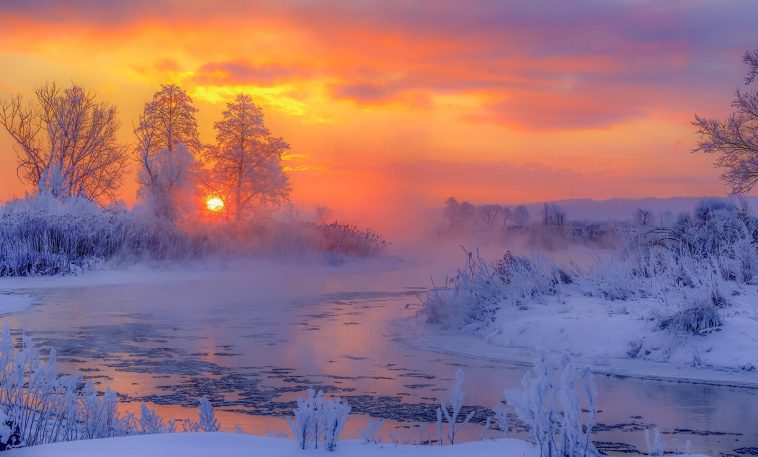

Winter Forecast: A New Chapter in Seasonal Weather
The winter season is upon us, and after one of the coldest mornings we’ve seen in recent memory, many people are left wondering what lies ahead. Recent reports and forecasts, especially those coming from NOAA, are stirring conversations about a winter that promises to be both wet and warm. As travelers and outdoor enthusiasts plan their seasonal activities, it’s important to get into the details of what this forecast could mean for our everyday life and our adventures in nature.
Today, we take a closer look at the evolving weather patterns, discuss the role of a strengthening El Niño, and consider what this mixed forecast could mean for travel and outdoor recreation. In this opinion editorial, we’ll explore how the weather might impact our winter activities, highlight some cautionary points, and offer advice for those planning trips amid these unpredictable conditions.
Understanding the Shifting Winter Dynamics
When the cold bites hard on a winter morning, it’s natural to assume that freezing conditions will reign for weeks on end. However, the latest winter outlook suggests something rather unexpected: a season that is both wet and warm. This forecast challenges our traditional view of what winter should be, sparking debates among meteorologists, travelers, and outdoor enthusiasts alike.
Historically, winters have offered a predictable pattern of snow, ice, and frigid temperatures. Yet, as climate change reshapes our weather, we’re forced to reevaluate these expectations. The current forecast is full of problems for those expecting a textbook winter. Instead, what lies ahead is a mix of conditions that could drastically change how we plan our days—whether we’re commuting, hitting the slopes, or simply enjoying a winter walk.
The Role of a Strengthening El Niño in Shaping the Forecast
The term “El Niño” has gained significant attention because of its powerful influence on global weather systems. By definition, El Niño is a periodic warming of the central and eastern tropical Pacific Ocean, which has ripple effects on weather patterns around the world. The phenomenon is well known to bring warming trends and increased precipitation to certain regions, and this winter, its role appears to be more critical than ever.
El Niño’s impact is not without its tricky parts. The fine points of its mechanisms tend to be tangled issues that confuse many. Our understanding of these hidden complexities lies in how warmer ocean temperatures can disrupt typical jet stream patterns, leading to unexpected weather conditions over land. For example, regions like North America might experience fewer of the traditional freezing spells, replacing them with wetter, more humid conditions. This evolution in weather is off-putting for those unprepared for its nerve-racking twists and turns.
Weather experts have observed that while El Niño may help alleviate the intensity of some winter conditions, it often becomes loaded with issues, affecting everything from travel to local ecosystems. It is essential to get into the core of these challenges to truly appreciate the transformation this season might bring.
What a Wet and Warm Winter Really Means for Travelers
For travel enthusiasts and outdoor adventurers, the promise of a wet and warm winter brings both delightful opportunities and curious challenges. If you’re planning to explore new destinations or embark on outdoor pursuits, it’s useful to be aware of the potential impacts fluctuating temperatures and unexpected rainfall might have on your itinerary.
Let’s break down some key points for travelers looking to make the most of winter this year:
- Road Conditions: With milder temperatures, expect less ice and snow on the roads; however, the increased precipitation may result in slick surfaces and localized flooding.
- Outdoor Activities: Ski resorts and traditional winter sports destinations might see shorter seasons. Instead, hiking, cycling, or simply exploring a city’s winter charm might become more appealing.
- Travel Plans: For international travelers, the need to adapt travel itineraries is critical. While some areas might offer a pleasant escape from the biting cold, others could experience nerve-racking weather shifts that demand updated safety precautions.
- Local Events: Many communities plan their winter festivals and outdoor events around the expectation of snow and crisp air. This shift could mean rescheduling or even canceling some events, or alternatively, hosting new types of experiences tailored to a wet and warm winter.
The reality is, while a warmer season may seem less intimidating for outdoor planning, it introduces a series of complicated pieces—especially for those who have cherished traditional, snowy winters. For some, the idea of navigating a winter without its familiar beauty can feel off-putting, while others are excited by the prospect of enjoying a different kind of winter wonderland.
Adjusting Your Travel and Activity Plans: Practical Advice
Considering the weather is about to throw some unpredictable twists and turns our way, it’s essential to plan proactively. Here are some super important tips and practical advice on how to adapt your travel plans:
- Check Real-Time Weather Updates: Rely on reputable sources such as NOAA and trusted local news outlets to stay informed. Keep an eye on weather apps that provide real-time alerts about changing conditions.
- Flexible Itineraries: Build a flexible schedule. Recognize that your planned activities might need minor alterations due to sudden weather changes. Consider shorter, local trips as alternatives if long-distance travel becomes nerve-racking.
- Local Transportation Options: If driving in unexpectedly wet conditions, make sure your vehicle is well-equipped. This includes checking your tires, brakes, and having an emergency kit ready.
- Outdoor Gear Preparation: Invest in multi-purpose gear that works for both mild and wet conditions. Waterproof clothing, sturdy hiking boots, and layered outfits are must-have items.
- Plan for Indoor Alternatives: In case outdoor activities prove too challenging due to the weather, have a list of indoor attractions and recreational centers at your destination.
These suggestions are designed to give travelers a head-start on managing their way through the expected seasonal twists and turns. Each travel plan should account for the fact that winter may not be as icy as previous years, but just as unpredictable.
Implications for Outdoor Recreation and Seasonal Activities
For those who rely on winter conditions for outdoor recreation—from skiing and snowboarding to winter hikes—the changing weather presents a set of good and challenging news. While a wet and warm winter might seem inviting for those who dislike bone-chilling temperatures, it also disrupts the expected rhythm of winter sports and activities.
Consider the following aspects:
- Ski Resorts and Snow Conditions: With temperatures remaining higher than usual, snowpacks may be thinner and less lasting, pushing resorts to rely more on artificial snow-making. This may affect the quality of skiing and snowboarding experiences, especially in the early and late parts of the season.
- Hiking and Trail Conditions: Trails could be muddier than expected, providing both opportunities and challenges for hikers. While the scenery might be lush from extra rainfall, tread carefully as slippery paths and hidden twists and turns can be tricky parts to manage.
- Ice Activities: If lakes and ponds remain unfrozen for longer periods, activities like ice skating or ice fishing could be delayed or altogether off the table until later in the season.
- Wildlife Watching: A milder winter may alter animal behavior. Wildlife enthusiasts might find it easier to spot local species that are typically hidden during the standard cold months, which offers a refreshing change and the chance to see nature without the usual winter cloaks.
Recreational planners, local businesses, and adventure seekers will need to figure a path through these changes by reining in expectations and preparing for an environment that doesn’t wholly adhere to traditional winter forecasts.
Local and National Implications: Beyond Just Weather
At a broader level, a season deviating from the norm can have a ripple effect on local economies, public infrastructure, and community events. Traditionally, many regions count on the winter season to boost local tourism. A milder yet wetter winter could bring unexpected benefits and challenges to communities across the nation.
Here are a few important points on how these changes might affect urban and rural areas alike:
- Economic Impact: Winter tourism is a key revenue stream for many communities built around snow sports and winter festivals. A warm winter could mean fewer snow sports enthusiasts, but it might also lead to an increase in alternative tourism activities such as cultural tours or culinary experiences that take advantage of the season’s pleasant temperatures.
- Public Safety Concerns: Municipalities may face difficulties in managing road conditions and emergency services in unpredictable weather. Increased rainfall and warmer temperatures can lead to flooding in areas unprepared for these conditions, suggesting that local governments need to figure a path quickly through these issues with updated safety protocols.
- Community Events: Public events, like outdoor concerts, winter markets, or holiday parades, might see alterations in scheduling or location. Event planners are already rethinking the design of their gatherings to ensure that public safety is not compromised, even if it means hosting parts of events indoors.
- Agricultural and Environmental Effects: Farmers and conservationists should expect changes in local ecosystems. Warmer winter temperatures can impact soil moisture levels and affect plant life. Adjustments will be needed to ensure that environmental conservation efforts are not overwhelmed by the rainy spells that are predicted.
The combined effect of all these issues underscores the importance of community planning and resourceful management. With every twist and turn in the weather forecast, local officials and businesses alike have to manage their way through not only environmental changes but also the economic and social implications that accompany them.
Traveling During a Changing Winter: Stories from the Field
The evolving winter forecast is not just about the numbers on weather charts—it touches the lives of travelers and locals alike. We recently heard accounts from several individuals whose plans have already been upended due to unexpected changes in weather conditions. Their stories illustrate both the risks and the rewards of adapting to a less predictable winter season.
For instance, a family planning a winter road trip shared how they switched from a ski vacation to exploring nearby cultural attractions when early forecasts hinted at insufficient snowfall. A local tour guide reported that while hikers initially groaned at the muddy paths, they eventually found joy in seeing vibrant flora that rarely gets exposure during harsh winters.
These anecdotes are loaded with issues that highlight the importance of being flexible. They remind us that while change can be intimidating, it also opens the door to discovering new ways to experience a season many of us thought we knew by heart.
Preparing for the New Normal: Insider Tips for Outdoor Enthusiasts
Outdoor enthusiasts are the first to notice the fine details when the season shifts unexpectedly. Whether it’s the smell of damp earth after a rain or the realization that your favorite mountain trail is steeper due to saturated ground, every subtle detail matters. As we work through what this new winter might bring, here are several insider tips to consider:
- Appropriate Clothing: Replace heavy insulated winter gear with a blend of waterproof, layered apparel. Materials that wick moisture yet provide warmth are key, especially when temperatures hover on the milder side.
- Footwear: Invest in sturdy, waterproof boots. With trails likely to be muddy, shoes that get a good grip will help avert slips on slick surfaces.
- Gear Check: For those who still engage in snow sports, check the condition of your equipment frequently. Resorts may also provide updated safety guidelines on artificial snow patches and trail maintenance.
- Local Knowledge: Keep in touch with local outdoor clubs or community boards. These often offer real-time insights into how areas are faring with the current weather conditions and what routes might now be safer or more scenic.
- Plan B Activities: Have alternative plans in mind. Whether it’s visiting museums, indoor cultural events, or simply enjoying a cozy coffee shop, knowing that there are safe options available can reduce that overwhelming sense of uncertainty.
These suggestions are more than just a packing list—they are an invitation to make the most of a season that may not follow the classic winter script. Instead of looking at a wet and warm winter with fear, consider it a stage for experimenting with activities and experiences that usually take a backseat during the cold months.
The Economic and Environmental Balance: A Closer Look
While individual travelers adapt, the broader impact on local economies and the environment is also significant. The shift away from traditional weather molds affects how businesses operate and how communities prepare financially and environmentally.
Take a look at the table below to see how local sectors might be influenced:
| Sector | Traditional Winter Impact | Expected Changes This Winter |
|---|---|---|
| Tourism | High reliance on snow-based activities and winter festivals. | Shift towards cultural, culinary, and indoor attractions as snowfall decreases. |
| Transportation | Roads adapted for ice and snow; heavy investment in road salt and winter tires. | Focus on managing increased rainfall and potential flooding, with updates in emergency response. |
| Agriculture | Short growing season; protective measures for sensitive crops. | Longer periods of moisture may benefit some crops but also challenge winter preparedness plans. |
| Local Businesses | Emphasis on seasonal merchandise and winter-specific services. | Adjustment to consumer preferences as locals seek new types of entertainment and comfort goods. |
This table illustrates that the economic and environmental impacts are not isolated—they require communities to make smart choices and figure a path through both the expected and the surprising changes ahead. The fine details in planning, the little twists in strategy, and even the subtle adjustments in consumer behavior all contribute to the larger picture of how our society copes with a shifting winter landscape.
Community Resilience: How Local Leaders Are Responding
Local leaders and community organizers have long been tasked with working through the challenging parts of winter preparation. With this season’s mixed forecast, they are rethinking emergency protocols and recreational programming to better serve their communities. The evolving situation means that many leaders are investing time and resources in updating public safety plans, disaster response strategies, and tourism marketing.
For example, several municipal offices have already started partnering with neighborhood associations to spread real-time information, ensuring that residents are promptly informed about sudden weather changes or potential hazards such as flooding. This proactive approach is essential when dealing with a season that is both unpredictable and off-putting for those unaccustomed to such fluctuations.
Working together, community members are also hosting public forums and seminars about winter safety and preparedness. These events give a platform to discuss everything from the complicated pieces of emergency management to the straightforward tips on staying comfortable during a wet spell. The essential aim here is to localize the response, so community members feel supported and informed about the subtle details that will definitely shape the coming months.
Environmental Adaptations: The Upside of a Warmer Winter
Despite the challenges, there’s an upside to experiencing a warmer and wetter winter. In many ways, nature is given a unique opportunity to flourish under conditions that deviate from the norm. Warmer winters can lead to a burst of early blooms and may even extend the time that migratory birds visit local habitats.
Environmental scientists are taking notice of these trends, as the shift impacts not only human activities but also local wildlife ecosystems. In some areas, early blooming might help plants recover faster after the harsh conditions of previous seasons. Furthermore, the added moisture can replenish rivers and lakes, setting the stage for a vibrant spring.
There are, however, several subtle parts to consider:
- Long-Term Ecosystem Changes: While a milder winter might promote short-term growth, scientists warn that too much deviation from historical weather patterns can lead to long-term shifts that affect local biodiversity.
- Wildlife Behaviors: Animals that are accustomed to a certain rhythm in the winter months might find themselves confused by the lack of typical cues. This change can lead to altered migration patterns or shifts in feeding behavior, which in turn impacts the broader ecosystem.
- Conservation Efforts: On the bright side, conservation organizations are already adapting their strategies, preparing for these environmental shifts with updated research and community engagement programs.
By taking a closer look at these developments, we can begin to appreciate the layers of opportunity within the environmental adaptations that a wet and warm winter promises. Rather than simply facing a challenging season, communities and environmentalists alike are learning to work through these tangled issues, turning them into chances to innovate and grow.
Changing Our Perception of Winter: A Cultural Shift
For generations, winter has been steeped in cultural traditions—iconic images of snowy streets, warm fireplaces, and outdoor activities defined by icy conditions. As the forecast signals a shift from this classic narrative, many are forced to adjust their cultural perceptions of what winter means. The change may feel overwhelming at first for those steeped in nostalgic expectations.
However, history shows that culture adapts. Just as communities have embraced shifts in seasons and temperatures over time, today’s society is learning to appreciate a winter that may not feature the deep freeze of years past. Instead, we may find ourselves celebrating winter in unconventional ways:
- Revised Holiday Celebrations: With more chances to gather outdoors without the threat of severe cold, winter holidays might bring more communal events held in open-air settings, featuring light shows, outdoor markets, and community picnics.
- New Winter Traditions: Think of seasonal activities that blend indoor warmth with outdoor adventure—such as urban hiking tours or guided city walks that explore winter art installations and festive lighting.
- Community Resilience Events: As local leaders host forums and interactive events discussing weather preparedness, these gatherings can double as cultural celebrations of community spirit and adaptation.
This cultural shift is more than a mere change in scenery—it is a process of reimagining our traditions, our activities, and ultimately, our connection to nature in a time that is continuously evolving. While it might seem intimidating to let go of a frost-bound winter stereotype, many find that these slight differences lead to creative, vibrant, and inclusive celebrations of the season.
Innovative Adaptations by Winter Recreation Businesses
Businesses that depend on winter weather have traditionally centered their operations around predictable conditions—snow, ice, and that perfectly frosty allure. This year, however, the new forecast forces a rethinking of business models and service offerings. In response, many companies are starting to figure a path through these unexpected weather changes by diversifying their products and experiences.
Some innovative adaptations include:
- Hybrid Activity Packages: Resorts and outdoor centers are combining traditional winter sports with other activities such as guided nature walks, cultural tours, and culinary experiences, providing customers with a mix of indoor and outdoor adventures.
- Flexible Booking Options: Understanding that weather conditions are unpredictable, many service providers now offer more flexible cancellation and booking policies. This change is designed to reduce the overwhelming anxiety of committing to plans that might be disrupted by sudden shifts in the weather.
- Enhanced Safety Protocols: With increased rainfall and unpredictable road conditions, companies are placing a stronger emphasis on customer safety. This includes offering real-time weather updates and ensuring that staff are adequately trained to assist during weather-related incidents.
- Eco-Friendly Initiatives: The extended wet periods provide an opportunity for resorts and travel centers to highlight their environmental initiatives—such as sustainable water use, eco-centric recreational activities, and educational programs that point out the fine shades of nature’s resilience.
These efforts show that even when faced with what might seem like overwhelming challenges, businesses are capable of sorting out the tricky parts of a changing season with innovative and adaptive approaches. Rather than seeing the new forecast as a setback, many have turned it into a chance to lead the charge in re-envisioning winter recreation for the modern traveler.
Planning Ahead for a Season of Surprises
In a world that is constantly in flux, the ability to adapt is key. As we stand on the brink of a winter that promises to be both wet and warm, the need to plan ahead becomes super important—whether you’re setting out on a travel adventure or simply looking to enjoy your hometown’s winter offerings.
Here are some final thoughts and strategies for making this season not only bearable but also memorable:
- Monitor Weather Trends: Regularly check multiple sources for the latest updates. By staying informed, you can quickly figure a path around sudden weather changes and adapt your plans.
- Layer Your Activities: Much like layering your clothing, layer your plans too. Combine outdoor excursions with indoor cultural or culinary events, so no single shift in weather can completely derail your itinerary.
- Embrace Flexibility: Keep in mind that a relaxed and flexible approach is key. Being ready to change plans at a moment’s notice might initially feel overwhelming, but it will ultimately lead to a smoother, more enjoyable experience.
- Engage with the Community: Participate in local forums, join social media groups dedicated to weather updates, and tap into the collective wisdom of those who live in your destination year-round. Their insights can be incredibly useful when working through the slight differences that each day brings.
- Safety First: Always consider your personal safety and the safety of those around you. If conditions become too challenging, it’s perfectly okay to postpone plans and wait for a clearer day.
This approach not only promotes a positive mindset but also builds resilience and trust in the process of adapting to change. By embracing the unpredictable aspects of the season, you create an enriching experience that goes beyond mere travel—it becomes an adventure in creativity and flexibility.
Conclusion: Embracing a New Winter Identity
As we prepare for a winter that defies tradition, it’s important to remember that change, while often intimidating, carries with it the promise of growth and new opportunities. A wet and warm winter, influenced by the strengthening of El Niño, may initially seem loaded with issues and unexpected twists. However, when we take a closer look, we find that these challenging bits offer us an opportunity to reimagine how we live, travel, and celebrate the season.
From reshaping travel itineraries to updating how local businesses and communities plan for public safety and economic sustainability, this evolving forecast touches all facets of life. With each subtle detail that emerges from this changing winter narrative, we’re invited to explore, experiment, and ultimately discover a different kind of beauty—a winter that is just as unique and memorable as any other.
By staying informed, remaining flexible, and embracing the fine points of this unpredictable weather, both travelers and locals can transform what might have been seen as overwhelming challenges into stepping stones for a richer, more adaptive lifestyle. We’re all learning to take the wheel in a season that offers little in the way of guarantees, but plenty in the way of experiences worth having.
As you plan your winter adventures this year, whether it’s a local excursion or a far-flung travel experience, remember that each change in the forecast presents a chance to reinvent your approach. We encourage you to share your stories, your strategies for managing through those tricky parts, and your reflections on how the environment shapes your journey.
In the midst of this shifting winter landscape, let us celebrate not only the challenge but also the endless possibility that comes with change. Rather than clinging to outdated expectations, we can all learn to find our way through, appreciate the little twists that life brings, and ultimately create a new winter identity—one that is resilient, adaptable, and full of spontaneous discovery.
Stay safe, remain flexible, and enjoy every moment that this unexpected winter has to offer. After all, the essence of travel and outdoor adventures lies in the journey itself—even when that journey takes us down a path we never imagined.
Originally Post From https://www.facebook.com/Boston25News/videos/following-the-coldest-morning-of-the-season-many-of-you-may-be-wondering-what-we/914528958262951/
Read more about this topic at
An Updated Winter Climate Outlook
El Niño in the Northwest: What Can We Expect?