Winter Storm Woes and the Post-Thanksgiving Travel Nightmare
The recent winter storm that swept across Chicago and neighboring regions has once again highlighted how extreme weather can throw a wrench into our travel plans. As flights grind to a halt and airports turn into chaotic hubs of delays and cancellations, post-Thanksgiving travelers are facing more than just inconvenient schedules—they are confronted with a cascade of challenging and nerve-racking issues that stretch across the nation’s transportation network.
This critical situation, where hundreds of flights faced delays or were scrapped entirely, prompts us to consider the hidden complexities behind weather disruptions, the fine points of airline operations in severe conditions, and the broader impact on communities depending on reliable transportation during the winter months.
Understanding the Trigger: The Forces Behind the Storm
While many travelers simply grumble over missed connections and long waits at crowded terminals, a closer look at the weather patterns reveals a deeper story. The winter storm, which produced both rain and snow in different parts of the country, was characterized by a wintry mix that tested the limits of local infrastructure and airline operations.
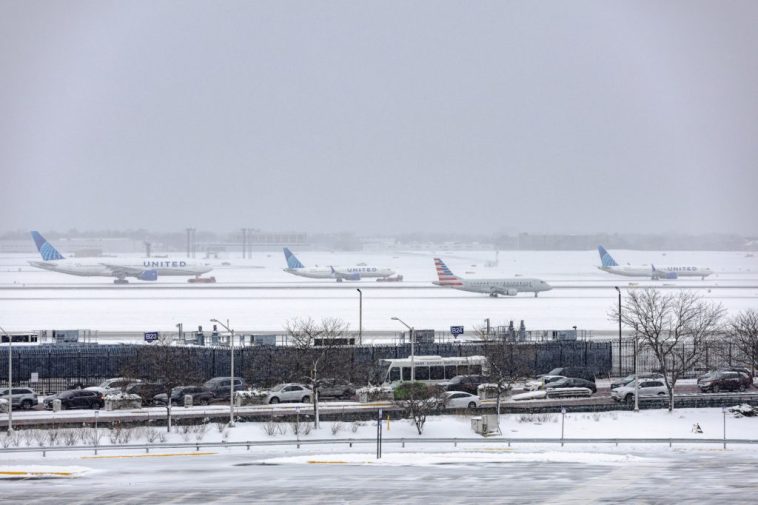
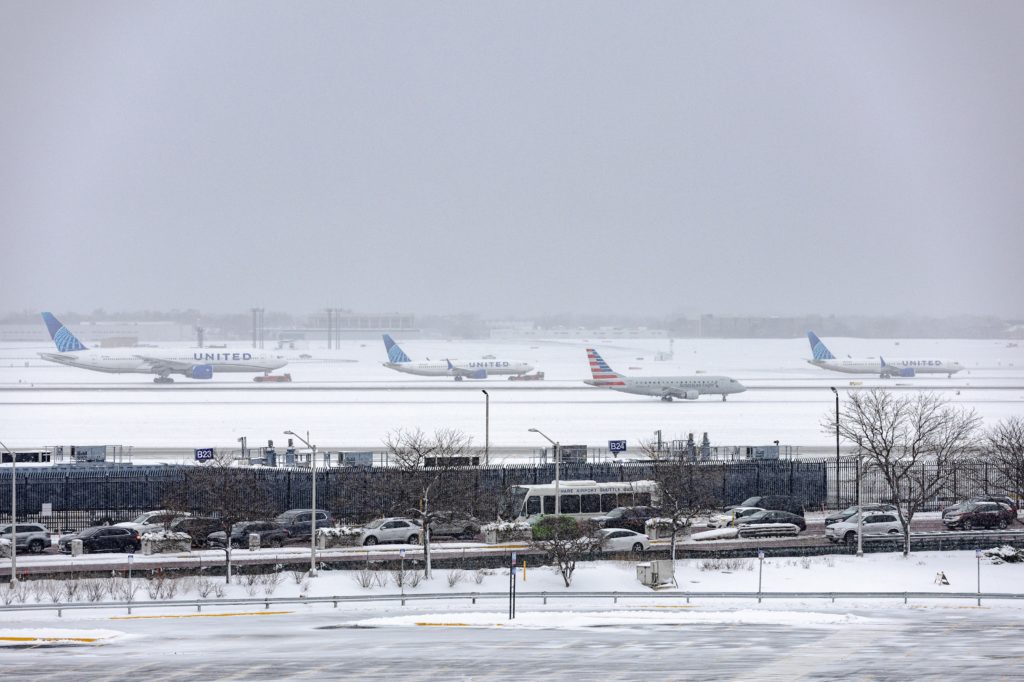
In Chicago, for example, the accumulation of snow at O’Hare International Airport reached record-breaking heights for November. With 8.4 inches of snow, the storm not only set a new record, but also illuminated how sudden and overwhelming weather events can quickly spiral out of control, leaving airlines and travelers scrambling to find their way around the unexpected conditions.
The meteorological community noted that regions around the Great Lakes were especially vulnerable to rapid shifts in temperature and precipitation. These conditions, combined with heavy snowfall, led to substantial flight delays and cancellations—a scenario that underscored the tricky parts of forecasting and managing weather-related disruptions in air travel.
Impact of Extreme Weather on Air Travel
From an operational standpoint, the extreme weather presented a series of tangled issues that airlines and airport personnel had to manage in real time. With more than 270 flights canceled at O’Hare alone and over 1,200 delayed, the immediate consequence was clear: the storm significantly affected the movement of people, with ripple effects on connecting travel plans across the United States.
Airlines were forced to work through complicated pieces of operational management, including:
- Coordinating de-icing processes at multiple airports to ensure aircraft safety.
- Rescheduling flights and rebooking elbow-twisting travel itineraries for hundreds of passengers.
- Handling last-minute arrangements for ground transportation when flights could not land on time.
These fine points of crisis management brought to light not only the operational challenges but also raised questions about the preparedness of transportation hubs when adverse weather strikes. It is a reminder that while technology and planning go a long way, nature often has its own agenda that can be both overwhelming and intimidating.
How Winter Storms Reveal Weaknesses in Airline Operations
Digging into the heart of the matter reveals that the challenges faced during this winter storm are indicative of broader systemic issues. Airline operations tend to be on a tight schedule, often leaving little room for error when unexpected conditions emerge. This leads to a chain reaction—delays beget further delays, and passengers find themselves stuck in lengthy queues or left to navigate airport terminals with scarce amenities.
Key weak points include:
- The limited capacity for rapid response when weather conditions change suddenly.
- Insufficient contingency plans for heavy snowfalls, especially in major travel hubs like Chicago and Detroit.
- Lack of adequate infrastructure that can promptly clear runways and de-ice aircraft for safe departures.
Although the Federal Aviation Administration (FAA) provided timely information that departures were delayed on average by 15 minutes at O’Hare and nearly an hour for inbound flights, the ripple effect extended far beyond these numbers. For travelers, these seemingly minor delays translated into nerve-racking wait times and a palpable sense of uncertainty about when, or even if, they would reach their destinations.
Considering the Community Impact: More Than Just Inconvenience
Beyond the cold details of flight schedules and cancellations, the storm’s impact resonated on a community level, affecting neighborhoods, local businesses, and even places of worship. In western Michigan, many churches encouraged their members to stay home or opt for online services as snowfall made travel hazardous. This move was not simply a matter of convenience—it was a safety measure that acknowledged the tense and potentially dangerous conditions brought on by the storm.
Similarly, utility crews in Wisconsin found themselves up against overwhelming challenges as they worked tirelessly to restore power to thousands of households. With more than 6,000 power outages reported, the storm exposed the limitations of local services in managing full-scale emergencies. The sagging of power lines under the weight of wet snow not only complicated rescue efforts but also highlighted a need for better infrastructural resilience in the face of unpredictable weather.
For many, such disruptions serve as a reminder that infrastructure, whether it’s transportation or utilities, must be robust enough to handle the hidden complexities and nerve-wracking twists of severe weather events.
Travel Disruptions and Their Economic and Emotional Toll
The delays in air travel weren’t merely logistical headaches—they carried an economic price tag and an emotional burden. For businesses, every delayed or canceled flight meant lost productivity, missed meetings, and disrupted schedules that could affect quarterly earnings. Travelers, meanwhile, faced intensified stress levels as they found themselves unexpectedly stranded, grappling with shifts in plans that were both costly and nerve-racking.
In an increasingly interconnected world, where the economy relies on punctual connections and timely deliveries, the domino effect of flight disruptions can be overwhelming. Moreover, the personal toll is significant: lost time with family, the anxiety of uncertain returns, and the added cost of last-minute arrangements can have both short and long-term impacts on the everyday lives of citizens.
Here is a concise table summarizing some of the significant impacts:
| Aspect | Impact |
|---|---|
| Air Travel | Hundreds of delays and cancellations; extended wait times; increased stress for travelers |
| Airport Operations | Record-breaking snowfall; overburdened de-icing processes; record delays |
| Local Infrastructure | Power outages affecting thousands; sagging utility lines; hazardous road conditions |
| Community Life | Disruption in local services; transition to online events; increased anxiety about travel safety |
Lessons Learned: Strategies for Weather Preparedness in Major Airports
This winter storm has provided a pragmatic, albeit nerve-wracking, lesson in the importance of being prepared. While no one can fully control the weather, there are actionable strategies that airports and airlines can adopt to better manage the tricky parts of such unpredictable events. Below are some key recommendations:
- Enhanced Forecasting and Communication: Investing in more advanced meteorological tools permits officials to get into the fine details of impending weather changes, thereby giving travelers a critical head start with updated flight information.
- Robust Emergency Protocols: Updating and regularly testing crisis management protocols is essential. By sorting out various scenarios, airlines can better steer through the unexpected twists and turns that arise from severe weather.
- Improved Ground Support: Boosting the capacity for rapid runway clearance and efficient de-icing methods can make a significant difference in preventing delays and ensuring passenger safety.
- Community Coordination: Collaborating with local services to ensure that transportation hubs, weather services, and utility companies work as one cohesive unit during emergencies.
Many experts believe that these improvements are not merely optional but rather a must-have for sustainable and resilient air travel. Airlines and airport authorities must look into the small distinctions present in each weather incident and work diligently to address the cascading effects of every delay or cancellation.
The Role of Preparedness in Ensuring Safety
Ensuring the safety of passengers is the key priority for any transportation hub. In the midst of a winter storm, safety protocols are non-negotiable. The need to handle complex and sometimes intimidating scenarios is a stark reminder of the importance of preparedness. Steps taken to guarantee safety include:
- Strict adherence to de-icing procedures to avoid accidents during departures.
- Efficient rerouting and rebooking systems to minimize the wait times for stranded passengers.
- Regular safety drills and training sessions for ground crews and flight crews to figure a clear path during emergencies.
- Maintaining clear lines of communication with passengers to keep them informed about the status of their flights and alternative travel options.
Each of these measures is crucial in addressing the subtle parts of operational risk associated with severe weather. In essence, a combination of advanced planning, quick decision-making, and continual feedback loops is necessary to work through the many challenges that arise when nature takes an unexpected turn.
The Broader Perspective: A Call for Resilient Infrastructure
The winter storm in Chicago and the surrounding regions is not an isolated event—it is one example of how our infrastructure can be overwhelmed when conditions turn off-puttingly severe. While airlines can deploy more efficient practices, a more resilient infrastructure at the community level is equally critical. Utility companies, public transportation systems, and local government agencies must work together to build systems that can weather these full-of-problems situations.
To better illustrate the point, consider these small distinctions in infrastructure preparedness:
- Transportation Systems: How quickly can runways be cleared? What is the capacity for additional ground support during emergencies?
- Utility Services: How rapidly can power outages be addressed, especially in high-density urban areas?
- Public Communication: Are there reliable channels to provide timely updates to residents and travelers?
- Community Engagement: How well are local institutions, like churches and community centers, prepared to step in and offer safe alternatives during hazardous conditions?
Collectively, these factors reveal that the winter storm is a mirror reflecting both our strengths and our vulnerabilities. As communities continue to cope with the unpredictable twists and turns of severe weather, a concerted effort to enhance infrastructural resilience must be a top agenda item for policymakers and stakeholders alike.
Travel Tips for Post-Holiday Stormy Conditions
For travelers facing the challenge of navigating post-Thanksgiving weather, a few practical tips can make the nerve-wracking situation a bit more manageable. The following guidelines are designed to help you figure a path through chaotic travel days and ensure your journey is as smooth and safe as possible:
- Stay Informed: Regularly check for updates on flight statuses, weather conditions, and any alerts from your airport. Using reliable sources can help you dig into the latest information before you head out.
- Pack Essentials: When storms are expected, carrying extra essentials like warm clothing, snacks, and portable chargers becomes essential. These small details can be the difference between a comfortable wait and one filled with anxiety.
- Plan for Delays: Factor in extra time for potential delays. Whether it’s arriving at the airport earlier or scheduling flexible connecting flights, a little extra planning can help you manage your way through uncertain conditions.
- Consider Alternative Routes: Sometimes the initial path might be completely disrupted. Look into alternate airports or ground transportation options if your flight is delayed or canceled.
These travel tips, though simple, can alleviate some of the overwhelming feelings associated with the fast-moving and sometimes intimidating challenges of post-holiday travel during a winter storm.
Political and Economic Implications of Winter Travel Disruptions
The disruption caused by severe weather on air travel is not just a logistical headache—it touches upon political and economic spheres as well. The ripple effect touches everything from local economies to national debates on infrastructure funding and policy reform. During recent storm events, discussions about adequate funding for public transportation, airport modernization, and emergency response initiatives have come to the forefront.
These debates are, in many ways, a call to action for lawmakers to review and update their funding strategies to reflect the critical need for durable infrastructure. Politically, the issue is loaded with tension as communities demand better preparedness and accountability for lost productivity and added stress, while government bodies must balance budget constraints with the super important need for infrastructural resilience.
Key talking points in these discussions typically include:
- Investments in advanced weather forecasting systems to get into the nitty-gritty details of storm prediction.
- Funding for emergency protocols in transportation hubs to help manage the sudden influx of stranded travelers.
- Public-private partnerships aimed at building more robust infrastructure capable of handling extreme weather events.
- Strategies to minimize economic disruption during weather emergencies, ensuring that a setback in travel schedules does not spiral into larger economic losses.
Each of these points is essential in ensuring that when nature unleashes its scary and overwhelming forces, the political and economic frameworks in place are ready to support the community’s needs.
Preparing for the Future: What Changes Need to Be Made?
Given the recent winter storm’s capacity to disrupt millions, it is clear that changes are needed. Some of these changes require immediate action, while others call for long-term strategic planning. Here are several areas where improvements can be made:
- Enhanced Weather Forecasting: Investment in state-of-the-art forecasting technology that can provide detailed and early warnings for sudden weather changes. By catching the early signals of a storm, authorities can get into the detailed planning needed to mitigate its impact.
- Improved Infrastructure Resilience: Updating and strengthening critical systems, such as runway maintenance equipment and de-icing technology, to better handle the nerve-wracking pressure of heavy snowfall and icy conditions.
- Staff Training and Crisis Drills: Regular and realistic training scenarios for airline staff, airport personnel, and local utilities can help them handle the hidden complexities of sudden emergencies more effectively. When every small twist is planned for, the overall response becomes more coordinated and less chaotic.
- Stronger Interagency Coordination: Establishing clear communication channels between federal agencies, local governments, and private stakeholders ensures that everyone is on the same page when the unexpected happens.
The road ahead is laden with challenges, yet each of these adjustments helps to paint a future where extreme weather does not paralyze the lifeblood of our transportation networks. The ongoing dialogue between industry experts and policymakers is crucial for setting the stage for a more robust and adaptive infrastructural system.
Lessons for Travelers and Providers Alike
Both travelers and service providers have much to learn from the events witnessed during this recent storm. For the traveler, patience and flexibility are not just virtues—they are essential survival traits in the face of overwhelming weather challenges. Understanding that delays and cancellations are sometimes inevitable can help manage the small twists of personal frustration that accompany such scenarios.
For airlines and airport authorities, this event should serve as a wake-up call to review and revise their emergency procedures, ensuring that they are prepared for the taxing realities of nature. The balance between efficiency and safety must be recalibrated to account for the unpredictable ways in which weather can force everyone into a state of on-edge tension.
Some reflective questions that both parties might consider include:
- How can airlines add more buffers into their schedules to account for the nerve-wracking conditions brought on by severe weather?
- What are the key improvements that airports can implement to enhance the safety of both passengers and crew during emergency situations?
- In what ways can travelers be better prepared when nature throws a curveball on travel days?
Addressing these questions head-on is essential for turning current challenges into learning opportunities that will benefit the broader community in times of future crises.
The Psychological and Social Aspects of Weather-Induced Disruptions
The human element in these weather disruptions is often overlooked. When flights are delayed and schedules thrown into disarray, the emotional toll on travelers can be significant. Anxiety builds as individuals lose track of their plans, and many find the waiting periods to be both stressful and exhausting. This collective unease, amplified by the unexpected nature of weather events, underscores the need for better support systems for stranded travelers.
Socially, the impact extends beyond just the individual traveler. Families are separated, businesses suffer from lost time, and community events must be rescheduled or canceled. The environment of constant uncertainty can make even the smallest task, such as commuting to work, feel intimidating and off-putting.
Psychological support and clear, transparent communication from airlines can help alleviate some of these challenges. Providing immediate updates, offering reasonable alternatives, and ensuring that stranded passengers have access to warm shelters and refreshments are small yet super important gestures that go a long way in easing the tense conditions created by severe weather.
Can Technology Pave the Way for Smoother Operations?
In recent years, technology has made tremendous leaps in providing real-time updates and connecting people to critical information. Yet, when hurricanes of complications, like the recent winter storm, hit, there remains a gap between what technology promises and what is actually delivered. While tracking sites like FlightAware provide valuable insights into flight statuses, travelers often still feel left in the dark when delays are compounded.
Enhancing the role of technology in these circumstances can improve overall efficiency. Several areas stand out:
- Real-Time Communication Tools: Mobile apps and automated messaging systems can keep passengers informed every step of the way. The use of these tools can help figure a path through complicated changes and allow for smoother transitions.
- Data-Driven Decision Making: Leveraging big data to predict potential snow accumulation and air traffic disruptions ahead of time could provide a super important advantage in preempting severe delays.
- Streamlined Airport Operations: Integrating advanced sensor technology and automated snow-clearing systems at airports can minimize the nerve-wracking delays that often paralyze air travel during winter storms.
By embracing innovative solutions and refining the small distinctions in their current systems, airlines and airports could vastly improve their resilience to weather-related issues. Not only would these changes benefit travelers during peak seasons, but they would also provide lasting improvements to the overall safety and efficiency of air travel.
Interpreting the Event: A Broader Societal Reflection
This winter storm event is more than just a tale of delayed flights and disrupted schedules—it is a reflection of our broader societal vulnerabilities. In the face of nature’s overwhelming forces, the arrangements that we often take for granted, like punctual public transport and stable utility services, are suddenly revealed as being on edge. The event invites us to take a closer look at the subtle details that underpin the complex world of modern infrastructure and encourages us to reassess what preparedness truly means.
As communities, we are challenged to adapt to these conditions by promoting flexibility, encouraging proactive planning, and nurturing a mindset that embraces the likelihood of unexpected events. The ripple effects of such disruptions reach far beyond the immediate inconvenience—they affect how we plan, how we communicate, and ultimately, how we rebuild after the storm has passed.
At its core, this incident is a wake-up call. It challenges us to rethink everything from the way our cities are built to the policies that govern our safety in times of crisis. This introspection is necessary if we are to move forward with a sense of security and confidence in our critical systems.
Conclusion: A Call for Resilience and Adaptability
In wrapping up, the dramatic and nerve-wracking winter storm that disrupted post-Thanksgiving travel in Chicago serves as a poignant reminder of how intertwined our lives are with the forces of nature. More than just a story of delayed departures and canceled flights, it is an opportunity to reflect on how we manage unexpected challenges—be they in air travel, community infrastructure, or even public policy.
From advanced weather forecasting and improved operational protocols to robust crisis management and enhanced communication strategies, there are many ways to work through the confusing bits and challenging details that severe weather brings. The lessons drawn from this storm should prompt both service providers and policymakers to re-examine the essential measures needed to ensure that when nature’s forces come knocking, we are not caught flat-footed.
Prioritizing safety, investing in technology, and fostering collaboration across various sectors are all key ingredients for future success. Each stakeholder, from the average traveler to the highest levels of government, plays a role in crafting a resilient future where even the most intimidating of storms can be managed with confidence.
Let this event spark a broader conversation about preparedness, resilience, and the need for continual adaptation. As we find our way forward in this unpredictable climate, may the experiences of yesterday serve as a catalyst for a safer, more coordinated, and ultimately more humane approach to the challenges that lie ahead.
In the end, the storm has taught us that while weather may be an unstoppable force of nature, our ability to respond, adapt, and improve remains a testament to human ingenuity and community spirit. It is up to all of us—travelers, service providers, and decision-makers alike—to take these lessons to heart and work together to create a system that not only endures but thrives, even in the most challenging conditions.
Originally Post From https://www.pbs.org/newshour/nation/winter-storm-snarls-flights-for-post-thanksgiving-travelers-in-chicago
Read more about this topic at
Thousands of Flights Delayed, Hundreds Canceled as …
Winter storm disrupts holiday travel for millions, causing …