
Exploring Lake Erie’s Rich Fishing and Tourism Landscape
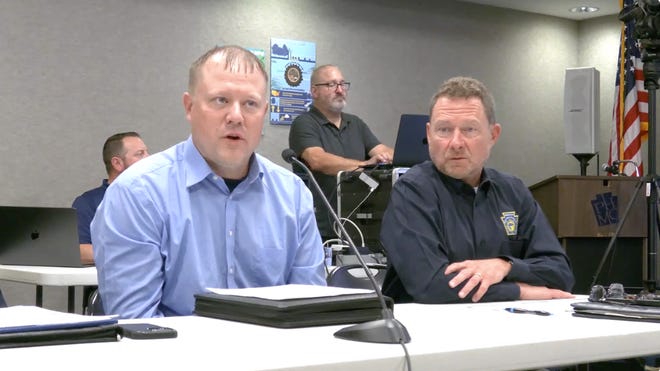
Lake Erie has long been celebrated as a premier fishing destination, drawing anglers from across the nation with its world-class walleye fishery and abundant recreational opportunities. Recently, Pennsylvania legislators and local leaders gathered at a joint meeting at the Erie Maritime Museum to take a closer look at the tangled issues of tourism, fishing technology, and economic growth in the region. In this opinion editorial, we dive in to discuss the many layers behind the current momentum, the subtle parts of fishery improvements, and how creative resource use may eventually revitalize Erie’s tourism infrastructure.
Understanding Angling Tools: Bobbers, Floats, and Strike Indicators
At the heart of every successful fishing expedition lies an understanding of the tools intended for catching fish. Industry experts, like Josh Feltenberger from FishUSA, have often explained the differences between bobbers, floats, and strike indicators. Whether you are using a lightweight bobber for delicate strikes or adopting a more sophisticated strike indicator for walleye fishing, it’s important to appreciate the little twists that can make a difference in a day on the water. Each tool plays a key role in alerting anglers to the nuanced moments when a fish decides to bite, ensuring that every cast is met with optimal chance and effectiveness.
Key Characteristics of Angling Tools
- Bobbers: Simple in design, they offer a clear visual cue by moving when a fish takes the bait.
- Floats: Providing buoyancy, these tend to be slightly more stable and easy to observe in choppy waters.
- Strike Indicators: Designed to detect even the smallest movements, they give anglers immediate feedback when a fish is nibbling.
This section is critical for anyone looking to figure a path through the tricky parts of the fishing world, as the proper selection of equipment can enhance performance and make an otherwise intimidating day on the water much more enjoyable.
Economic Boost Through World-Class Walleye Fishing
The discussions at the legislative meeting reflected on the economic ripple effects generated by Lake Erie’s renowned walleye fishery. With fishing seasons that kick off as early as the first Saturday of May, local businesses—from bait shops to hotels—benefit significantly from an influx of anglers eager to experience the state’s high-quality catch. One legislator humorously suggested a name change to “Lake of PA” in recognition of how essential fishing tourism has become for the local economy.
The Tangled Issues of Tourism and Economic Opportunities
Economic opportunities in Erie’s fishing scene are not without their complicated pieces. The meeting shed light on several areas:
- Job Creation: Companies like FishUSA provide hundreds of jobs, contributing to local prosperity by investing back in the community through research, equipment upgrades, and the establishment of public fish cleaning stations.
- Enhanced Infrastructure: Funds collected through annual fishing permits are directly reinvested in the local fishing infrastructure, which includes maintaining and upgrading boat ramps and public access areas.
- Tourism Surges: With accolades from state leaders noting that tourism may now rival agriculture, businesses throughout Erie are eager to embrace the benefits of a thriving recreational environment.
These factors highlight a multi-layered economic web where tourism, fishing, and local commerce interweave in ways that create both opportunities and subtle challenges. Each of these aspects is super important for preserving the balance between growth and sustainability in the region.
Innovative Approaches to Fish Carcass Recycling and Resource Utilization
One particularly creative topic at the meeting was the discussion of alternative uses for fish carcasses. Traditionally considered waste, these remnants are increasingly seen as opportunities for improvement. Innovative programs have been put in place to salvage the unusable parts for compost, fertilizer, or even products such as fish meal and Omega 3 fatty acids. This shift from waste to resource is a shining example of how creative recycling measures can transform what might seem like a nerve-racking problem into an eco-friendly venture.
How Fish Carcass Recycling Works
Outlined below are some key points that capture the essence of these alternative resource strategies:
| Process Stage | Description |
|---|---|
| Collection | Fish carcasses are collected from public fish cleaning stations across Erie. |
| Processing | The unusable parts are sent to recycling partners like Natural Upcycling in Buffalo, where they are converted into composting material. |
| Application | The resulting materials are used to create organic fertilizers or processed further into fish leather and Omega 3 fatty acids. |
This table encapsulates how each step builds on the previous one, thereby creating a seamless cycle of resource utilization that benefits both the environment and the local economy.
Tracking Fish Movement: Tagging Studies on Lake Erie
Through modern techniques such as surgical tagging, researchers are now able to get into the small distinctions of fish behavior. By implanting tags with a 10-year operational life, biologists can track the movements of walleye and other popular species as they swim across the vast expanse of Lake Erie. These tagging efforts offer a window into understanding migration patterns, spawning areas, and even the impact of catch-and-release practices on the ecosystem.
Insights Gained from Fish Tagging
The tagging studies have brought forward several key insights regarding how fish use the lake throughout the seasons:
- Local Residency: A significant number of tagged walleyes have been observed returning to spawn in the same areas, proving that they are resident fish that help sustain local populations.
- Migration Patterns: Although some walleyes migrate towards the Canadian shores or up toward Buffalo, many remain close to their home waters, benefiting local anglers.
- Impact of Catch-and-Release: Regular encounters with return catches—termed “throwbacks”—indicate that many fish are being released for further growth, ensuring a robust fishery for years to come.
These fine points highlight the importance of scientific research in shaping fisheries management strategies, and serve as a reminder of how every catch, even if returned to the water, plays a role in the big picture of ecosystem preservation.
Conservation and Stocking Practices in a World-Class Fishery
While natural reproduction plays a role in maintaining Lake Erie’s fish populations, species such as steelhead and lake trout are primarily managed through stocking efforts. The Pennsylvania Fish and Boat Commission (PFBC) and the U.S. Fish and Wildlife Service have invested considerable resources in ensuring that these fish thrive in the lake. Stocking practices serve as an essential tool to keep the balance in species populations, especially in a fishery that has become so loaded with fishing interest.
Understanding the Stocking Process
Here are some of the important steps and factors of the stocking process:
- Hatchery Involvement: Thousands of species-specific fish are bred and raised in dedicated hatcheries before being carefully released into the lake.
- Monitoring and Evaluation: Post-release, the PFBC actively monitors the fish populations to evaluate the effectiveness of these practices, ensuring that the stocking meets the demands of local fishing communities.
- Seasonal Adjustments: With many fishing efforts focused on steelhead in fall and winter, the timing of releases is crucial to align with seasonal migration patterns and spawning cycles.
In this way, a well-managed stocking program not only supports recreational fishing but also ensures the long-term sustainability of species within a system that is already full of problems and challenges. These efforts are critical in maintaining a balance between human recreation and wildlife conservation in Erie’s waters.
Building a Future with Public Marinas and Infrastructure Improvements
One of the persistent challenges detailed during the meeting was the shortage of public marinas along Lake Erie. Without a large public marina, hosting significant fishing tournaments or large-scale tourism events becomes a nerve-racking task. The current infrastructure, while robust in many areas, needs further investment in order to support the growing number of both local and out-of-state visitors.
Critical Infrastructure Needs for Erie’s Lakefront
Addressing this challenge requires a multi-faceted approach:
- Identifying Potential Sites: For example, redeveloping properties such as the Erie Coke property (post-environmental cleanup) may provide ample space for a new public marina.
- Investing in Boating Facilities: Enhancements such as upgraded boat ramps and modern docking systems would make the facility far more accessible to both seasoned anglers and casual visitors.
- Economic Impact: A well-designed marina could serve as a hub that draws tourism, supports local businesses, and creates additional jobs by promoting regional commerce.
This is very important because having the right facilities makes it easier for visitors to make their way through the complex landscape of Erie’s outdoor recreation opportunities. From hosting fishing tournaments that draw crowds nationwide to supporting smaller regional events, improvements in infrastructure are super important for sustaining Lake Erie’s long-term appeal.
Improving Community and Economic Life Through Angling Tourism
Beyond the technical aspects of fishing tools and infrastructure, the larger benefit of a thriving fishery is its impact on community life and local economies. As more anglers visit Erie, local eateries, lodging, and retail establishments see increased patronage, which in turn fosters a more resilient local economy. Business leaders have noted that even small improvements in tourism often have a domino effect, generating a wider range of opportunities for residents.
Economic Benefits at a Glance
The advantages of a robust fishing tourism sector can be distilled into several key outcomes:
- Job Creation: Directly through companies like FishUSA and indirectly via increased customer flow to local restaurants and hotels.
- Increased Tax Revenue: Enhanced tourism leads to higher tax collections, which are reinvested in community projects and further improvements to public infrastructure.
- Brand Recognition: A reputation as a world-class fishery helps position Erie as a premier travel destination, attracting international visitors and new business partnerships.
In many ways, the economic landscape here mirrors the unexpected growth seen in the tourism sector, a trend that continues to change the way residents and visitors alike view this great body of water.
Integrating Tourism and Fishing: A Synergistic Partnership
While improved fishery management is a cornerstone of local policy, tourism promotion is equally important. The recent legislative meeting underscored the belief that tourism has, in some respects, caught up to or even surpassed agriculture when it comes to economic value. Leaders and industry experts alike agreed that harnessing this potential requires a collaborative approach between the fishing community, local government, and tourism authorities.
Strategies for Merging Tourism with Angling Culture
To bridge the gap between recreational fishing and broader tourism objectives, several strategies can be employed:
- Coastal Marketing Campaigns: Leverage the unique stories of local anglers and the excitement of real-time fishing tournaments to create engaging marketing content.
- Integrated Event Planning: Festivals or dedicated “Fish Fests” can celebrate the fishing culture while providing opportunities for local artisans, food vendors, and recreational operators to showcase their offerings.
- Enhanced Visitor Experience: Improve visitor information via digital apps or interactive kiosks that highlight the best fishing spots, local restaurants, and upcoming events in Erie.
These strategies are all part of a larger effort to break down the complicated pieces of traditional tourism promotion and replace them with a more integrated, community-focused approach that benefits everyone involved.
Community Voices and Legislative Insights: A Balancing Act
The legislative meeting was not just a forum for technical discussion, but also a platform for lively comments and community insights. Representatives from various sectors, including the Pennsylvania Fish and Boat Commission, local businesses, and historical experts, shared their views on how to further boost Erie’s standing as a fishing haven. One particularly memorable remark came from Rep. David Maloney, whose tongue-in-cheek comment about renaming Lake Erie to “Lake of PA” sparked laughter and underscored the high level of local pride in their natural resource.
Balancing Economic Growth with Environmental Stewardship
Striking a balance between development and conservation is always loaded with issues. However, key points include:
- Reinvestment of Permit Fees: Every dollar from fishing permits is funneled back into local resources, funding upgrades, public access points, and environmental initiatives.
- Environmental Cleanup Efforts: Future plans, such as redeveloping contaminated properties for public use, show a commitment to blending economic development with responsible environmental management.
- Collaborative Partnerships: Initiatives that involve multiple agencies and local organizations point to a well-coordinated approach that seeks to tackle even the most intimidating challenges while preserving the lake’s natural beauty.
These community voices not only highlight local enthusiasm but also serve as a reminder that any plan to charge ahead with new development must be mindful of the subtle details that impact both human and environmental health.
Future Prospects: A Vision for Erie’s Outdoor Recreation
Looking forward, the promise of a revitalized Lake Erie is set to transform the region’s outdoor recreation scene. With improvements ranging from better fishing infrastructure to broader tourism initiatives and innovative recycling projects, Erie is on the brink of a new era. The discussion about creating a large public marina, for example, represents a turning point that could allow the city to host major fishing tournaments and attract a global audience. Enthusiastic voices in the community see this as a step towards a robust future where tourism and local culture merge seamlessly.
Key Areas for Future Development
As Erie charts its course into the future, there are several key areas to watch:
- Marina Development: With the possibility of transforming underused lakefront properties into vibrant public marinas, there is ample opportunity to support more events and larger-scale tourism.
- Technological Upgrades: Whether it is moving away from aging watercraft, like the veteran Perca, to more modern research boats, technological improvements are imperative for advancing fishery research and safety.
- Enhanced Access: Securing public fishing easements and expanding boat-launching facilities will further ensure that even casual visitors can easily make their way through Erie’s watery playground.
These prospects show that even though there are tangled issues and complicated pieces in managing such a multifaceted resource, the collective enthusiasm and ingenuity of the local community are proving to be powerful forces in shaping a vibrant future.
Lessons Learned from the Legislative Dialogue
The recent joint meeting at the Erie Maritime Museum was more than just a roundtable discussion—it was a window into the coordinated efforts of government officials, researchers, and local business owners who understand the importance of thinking creatively about the lake’s future. The strategic plan encompasses not just economic growth, but also environmental stewardship, community engagement, and innovative resource utilization. Through humor, shared insights, and a commitment to mutual improvement, attendees demonstrated that even the nerve-racking challenges can be managed through collaboration.
The Takeaways in a Nutshell
Here are some of the main lessons from the event:
- Holistic Approach: Embracing both tourism and conservation efforts ensures that economic benefits do not come at the expense of the environment.
- Community Investment: Reinvesting permit fees into local infrastructure and environmental projects creates a cycle of continuous improvement.
- Innovation and Tradition: While traditional methods like tagging and public fish cleaning stations remain essential, new ideas for resource recycling and marina development signal a commitment to future-proofing the region.
- Continual Research: Ongoing studies on fish behavior tell the story of a lake that is as dynamic as it is historic. They offer critical insights that will help officials tweak management strategies in the years to come.
Each takeaway not only underscores the diverse benefits of a balanced policy but also the persistence of community-led efforts to figure a path through the twists and turns of modern resource management.
Engaging the Public: The Role of Local Organizations and Businesses
Local organizations, tourism boards, and businesses are all integral parts of the equation when it comes to ensuring Lake Erie’s long-term success as a top fishing destination. For instance, initiatives spearheaded by VisitErie and the Port of Erie promote the natural beauty and fishing opportunities available in the region while encouraging visitors to explore all that the local area has to offer.
How Local Partnerships Enhance the Visitor Experience
There are several ways in which community partnerships are transforming the experience for both residents and tourists:
- Interactive Events: Fishing tournaments and community festivals not only provide entertainment but also serve as platforms for sharing innovative ideas on sustainable tourism.
- Cultural Integration: Local history, cuisine, and scenic beauty all blend together to produce a tourism narrative that is as rich as the waters of Lake Erie.
- Business Collaboration: Enterprises like FishUSA have expanded their influence, with plans for a new facility that promises to integrate local culture with modern amenities, thereby making the downtown area a lively hub for commerce and recreation.
These collaborative efforts display how intertwined the futures of tourism, local business, and community life have become. By working together, stakeholders can pave the way for a more inclusive and exciting future for Erie.
Revisiting the Role of Permits and Funding in Sustaining Fisheries
Permit fees play an undeniably important role in the sustainability of Lake Erie’s fisheries. With each permit purchased—be it for general fishing or for more specialized activities like trout and Lake Erie fishing—the funds are put directly back into the resource. This cycle of reinvestment supports various programs, from creating and maintaining public fish cleaning stations to funding research and upgrading boating equipment.
How Permit Fees Are Reinventing Community Infrastructure
Outlined below is an overview of the impact permit fees have had on the local ecosystem:
- Infrastructure Enhancements: Toll revenues have funded the creation of over 30 miles of public access along Lake Erie tributaries, improving boat launches and general waterfront access.
- Environmental Projects: Funds have also been directed towards clean-up projects and the upgrade of safety measures, ensuring that visitors can enjoy a pristine environment while pursuing their outdoor passions.
- Research and Development: Continuing studies, such as the advanced fish tagging experiments and the transition to modern research vessels like the upcoming Perca 2, are all made possible through carefully managed revenue sources.
In this way, every dollar collected is not simply a transaction—it is an investment in a sustainable future where both the environment and the local economy can thrive.
Looking Back and Paving the Way Forward
In reflecting on the symposium at the Erie Maritime Museum, one is struck by the passion and determination of everyone involved—from policymakers and business leaders to dedicated scientists and enthusiastic anglers. The dialogue was filled with humor and heartfelt dedication, as evidenced by quips about renaming Lake Erie and the lively exchanges on the benefits of catch-and-release practices. These discussions reveal a shared commitment to not only keeping the lure of fishing strong but also ensuring that every facet of the experience is modernized and enhanced for the benefit of future generations.
A Glimpse into the Future of Lake Erie
The future of Lake Erie’s fishing and tourism landscape is rich with promise. Some of the critical elements to watch include:
- Modernized Research Initiatives: With the introduction of state-of-the-art research boats and advanced tagging technologies, scientists are better equipped than ever to monitor fish populations and migration habits.
- Infrastructure Upgrades: Efforts to secure public marinas and enhance boating facilities are paving the way for a more accessible and inviting waterfront.
- Economic Revitalization: Increased tourism, combined with a dynamic local business environment, promises to nourish economic growth and elevate the community life around Lake Erie.
- Eco-Friendly Innovations: Programs aimed at recycling fish carcasses and repurposing by-products into environmentally beneficial materials highlight a forward-thinking approach that marries tradition with technology.
As each of these elements comes into sharper focus, the story of Lake Erie will continue to evolve—a story not only of a lake known for its rich walleye fishery but also of a region that actively engages with the subtle details and challenging twists inherent in balancing growth with sustainability.
Conclusion: Embracing the Full Spectrum of Erie’s Outdoor Lifestyle
In summary, Lake Erie is far more than just a body of water; it is a vibrant ecosystem where the worlds of outdoor adventure, tourism, and community prosperity intersect. Through combined efforts in upgrading infrastructure, leveraging modern research methods, and fostering innovation in resource utilization, Erie is steadily making its way through the tangled issues that influence every aspect of its outdoor lifestyle.
Whether you are a seasoned angler exploring the nuances of walleye fishing, a local business owner benefiting from the surge in tourism, or a community member invested in the future of your environment, Lake Erie provides a unique opportunity to witness firsthand how small distinctions and creative approaches can make a tremendous impact. Working together, stakeholders are figuring a path that steers through the tricky parts and subtle details of a rapidly changing recreational landscape.
As the conversation shifts from legislative halls to bustling marinas and vibrant festival grounds, one thing remains clear: the enthusiasm and collaborative spirit of Erie’s residents is the true engine behind this transformation. With continued investment in both environmental stewardship and economic development, the future promises even more exciting twists and turns in the long journey towards a sustainable and thriving outdoor paradise.
Ultimately, the dialogue at the recent symposium has set the stage for an era where fishing, tourism, and community life are not seen as separate pieces but as interwoven components of a larger, dynamic tapestry. It is a reminder that every cast, every new research initiative, and every public investment contributes to a legacy that will define Erie for generations to come.
For those eager to experience the magic of Lake Erie firsthand, this is the time to get out on the water—armed with the right tools, an appreciation for the local culture, and the awareness that every moment spent here contributes to a richer, more resilient community.
Originally Post From https://www.goerie.com/story/sports/outdoors/2026/09/02/pa-lawmaker-david-maloney-suggests-renaming-lake-erie-because-of-its-tourism-benefits/91581616007/
Read more about this topic at
Tourism & Fisheries | The European Maritime Spatial Planning …
Sustainable fishing tourism