
Trump’s Renaming Proposal: A Political Maneuver or Genuine Rebranding?
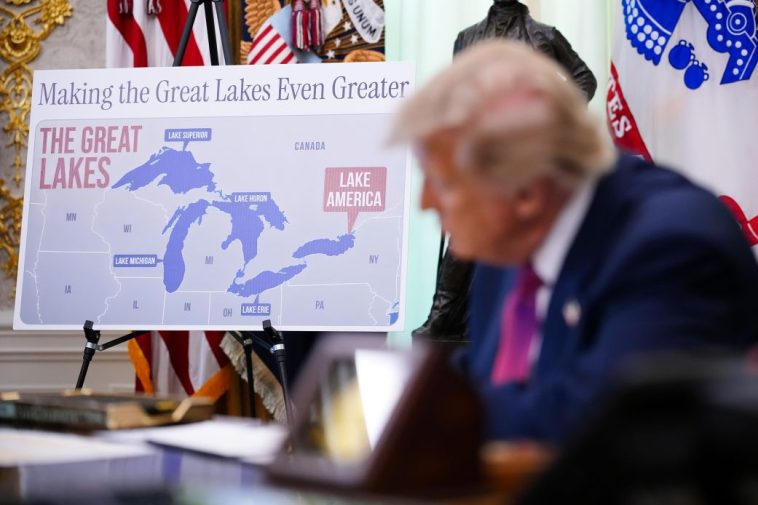
In a move that has sparked waves of debate across North America, President Donald Trump recently announced that he is giving “serious consideration” to renaming Lake Ontario to “Lake America.” This proposal mirrors his earlier effort to rename the Gulf of Mexico to “Gulf of America” during his second term. While the idea may seem like a symbolic rebranding, it exposes several tangled issues in both domestic politics and international relations.
At its core, the proposal raises a host of questions about executive power, historical naming conventions, and the implications for a shared natural resource. Critics argue that this initiative is more of a political stunt than a genuine rebranding, while supporters assert that it aligns with a broader nationalistic agenda. This editorial aims to take a closer look at the situation, digging into the finer points of international law, U.S.-Canada relations, and the subtle details of how shared waterways are managed.
International Collaboration and Shared Jurisdiction of Waterways
Lake Ontario is not just a body of water with a name—it is a major international waterway that is jointly managed by the United States and Canada. Both nations have a say in overseeing its waters, and multiple international, federal, and regional agencies are involved in its management. This cooperative framework is essential for maintaining environmental standards, ensuring water quality, and managing cross-border issues effectively.
Because the lake lies along the U.S.-Canada border, New York State in the U.S. and Ontario in Canada govern their respective portions of the lakebed and shoreline. The two countries work together through bodies like the International Joint Commission and agreements such as the Great Lakes Water Quality Agreement. These institutional setups address the tricky parts of international resource management, where the hidden complexities require each side to figure a path that balances national interests with cooperative stewardship.
| Managing Authority | Role | Jurisdiction |
|---|---|---|
| International Joint Commission | Oversight of water quality and dispute resolution | Between the U.S. and Canada |
| Great Lakes Water Quality Agreement | Catalyst for coordinated environmental protection measures | Applicable to all Great Lakes, including Lake Ontario |
| State/Provincial Governments | Local management and implementation of federal/international directives | New York State and Ontario |
In this context, unilateral renaming of such a shared natural resource can be seen as an off-putting bypass to these established cooperative mechanisms. Although the President can use executive orders to change names for official federal documentation within the U.S., the proposal does nothing to change the international agreements and practices already in place.
USA-Canada Relations and the Lake Management Framework
The relationship between the United States and Canada is built on a legacy of close cooperation, particularly when it comes to managing shared resources like Lake Ontario. The president’s renaming idea has not only stirred domestic political controversy but also raised eyebrows in Canada, where official claims and reactions have pointed out the overreach of U.S. authority in matters that have long been managed bilaterally.
This tension is compounded by the legal and cultural realities that underpin the management of international waterways:
- Both countries have historical claims based on treaties and past agreements.
- Renaming one part of a shared resource raises questions about the proportional representation of each nation.
- The delicate balance of authority between national and regional government bodies is at risk of being disrupted.
For instance, while the executive order may allow the President to rename the waterway for certain U.S. government operations, it does nothing to alter the way Canadian authorities or international agencies refer to the lake. In essence, the proposal creates a situation where the same natural feature could have dual identities depending on which context or governmental perspective is being considered.
This duality is reminiscent of other instances where powerful political figures have attempted to reshape historical and geographic narratives as a manifestation of national pride. However, as many critics have pointed out, such actions risk oversimplifying the full story behind these renowned natural landmarks—a story that is full of twists and turns and replete with shared historical significance.
Examining the Controversial Use of Executive Orders to Rename Landmarks
One of the core elements in this controversy is the use of executive orders to rename geographical landmarks. While it is within the powers of the executive branch to change the official designations of places within the United States for government documents, such actions are not without consequences.
Consider the following aspects:
- Executive orders are a powerful tool for enacting swift changes, but they are also highly visible and often polarizing.
- The unilateral nature of such changes can unsettle long-established traditions and provoke resistance both at home and abroad.
- These orders add another layer of confusion to an already complicated web of regulations, treaties, and international agreements.
The renaming of the Gulf of Mexico to the Gulf of America stands as a precedent to Trump’s current proposal. However, this earlier attempt faced not only domestic criticism but also raised questions from international stakeholders who felt that cultural and historical integrity was being sidelined in favor of politically charged branding. In essence, changing the name of a natural landmark using executive power could be seen as an over-simplistic approach to a situation that is loaded with historical baggage.
Moreover, the fine points of executive power come under scrutiny when one considers that such renaming only affects official government use. The wider public, including mapmakers, educators, and international agencies, may continue to use the original names due to longstanding historical and cultural significance. This discrepancy creates a scenario that is both confusing and problematic, making it difficult for various groups to steer through the inconsistent nomenclature.
The Trade War and Language Politics: Dig Into the French Language Debate
The controversy does not end with international law and shared jurisdiction—it extends into the realm of cultural sensitivity during an ongoing trade war with Canada. During a press conference, Canadian Prime Minister Mark Carney asserted that the U.S. was imposing threatful changes on Canada’s cultural practices, including its use of the French language. These claims were met with indignation by President Trump, who fiercely denied that he would ever interfere with Canadians speaking French.
Here are a few notable points that emerge from this side of the dispute:
- Language is more than just a means of communication; it is part of the cultural identity that many Canadians, particularly in Quebec, hold dear.
- Allegations of the U.S. manipulating trade talks by threatening language rights add a nerve-racking layer of tension to an already delicate relationship.
- Trump’s emphatic social media response—stating that he has “never even thought of doing such a stupid thing”—seems intended to quell concerns but also underscores the larger political theatre at play.
This debate over language rights is not merely a peripheral issue. It reveals how deeply intertwined trade policies, cultural identity, and international diplomacy have become. As the president cast doubt on the necessity of intervening in language policies, critics have pointed out that language indeed plays a critical role in shaping national narratives. By dismissing these concerns, Trump may be seen as overlooking the subtle details that are essential to Canada’s cultural fabric.
The Impact on Cultural Identity: Perspectives on American and Canadian Histories
The proposal to rename Lake Ontario is not only a bureaucratic reshuffling—it has wider implications for cultural identity on both sides of the border. For many Canadians, Lake Ontario is more than a geographical marker; it is a symbol of shared heritage and mutual understanding between the United States and Canada. This long-standing bond has been nurtured by decades of cooperative management and cultural exchange.
American perspectives, on the other hand, often frame such moves within the context of national pride and the assertion of sovereign power. While some view the renaming attempt as a trivial gesture, others see it as an integral part of a strategy to reimagine national symbols in a way that unifies the country under a more pronounced patriotic banner.
Here are some aspects to consider when looking at the cultural impact:
- Historical Context: Naming conventions are part of the rich tapestry of history. Changing a name can disrupt the continuity of historical narratives that have been built over generations.
- Shared Heritage: For both Americans and Canadians, shared landmarks like Lake Ontario serve as reminders of a collaborative past that is essential for maintaining strong bilateral ties.
- Public Perception: On a broader scale, renaming such an emblematic natural resource might be seen as prioritizing political symbolism over historical and cultural continuity.
It is important to note that such changes can have a ripple effect well beyond the immediate political arena. Educators, local communities, and even international visitors rely on established names to anchor their understanding of geography and history. Altering these names without a broad consensus among relevant stakeholders can lead to confusion—making it hard for people to find their way through the maze of historical references and modern politics.
Looking Ahead: The Future of International Waterways Renaming
The proposal to rename Lake Ontario to “Lake America” is indicative of a larger trend in which political leaders seek to assert national identity through tangible changes in geography and nomenclature. While this particular move is unlikely to change the actual management or the physical attributes of the lake, it represents a broader philosophical battle over how history should be remembered and how natural features should be identified.
The future of international waterways renaming will likely hinge on several factors, including:
- Political Will: As seen in previous examples, the use of executive orders to rename landmarks largely depends on the political landscape and the willingness of leaders to challenge established international norms.
- International Law: Renaming an internationally governed waterway involves layers of legal requirements and international accords that cannot be ignored. The existing treaties and agreements will continue to hold sway despite unilateral changes.
- Public Opinion: In an era of rapidly shifting public sentiment, decisions that touch on cultural and historical identities will increasingly be influenced by how communities perceive and react to such initiatives.
- Diplomatic Relations: The potential for diplomatic friction remains high when one nation attempts to enforce its view on an international stage without fully involving its partner countries.
As the situation unfolds, all eyes will remain on the evolving discourse between the United States and Canada. This is a moment that calls for both leaders to consider the nerve-racking implications of their actions. On one side lies the ambition to assert national identity through powerful symbolism, while on the other stands the rich tapestry of international cooperation—a partnership that has weathered many storms in the past.
In looking to the future, it is essential for policymakers and the public alike to take a closer look at the subtle parts that define our shared natural and cultural heritage. Renaming a shared landmark without addressing the underlying small distinctions and historical ties can lead to a scenario that is as confusing as it is politically charged.
Understanding the Hidden Complexities of Shared Landmarks
At the heart of the controversy is the challenge of balancing national pride with the complex realities of international governance. The proposal to rename Lake Ontario underscores several hidden complexities that go beyond mere naming rights.
When navigating through international agreements and treaties, several tricky parts need to be acknowledged:
- Historical Precedents: Landmarks such as Lake Ontario have accumulated names with historical significance passed down over centuries. Attempting to redraw these boundaries or change these names disrupts a long chain of cultural memory.
- Administrative Hurdles: Any unilateral renaming effort must contend with the existing legal frameworks shared by the U.S. and Canada. These include well-established systems of cooperative management and regulatory oversight.
- International Perception: In an increasingly globalized world, actions perceived as nationalistic band-aid solutions often draw scrutiny from the international community. Renaming efforts that do not involve consensus can lead to tension across borders.
These fine points emphasize that renaming a natural resource is not merely a matter for political rhetoric—it involves diving into a historical and administrative labyrinth that is full of problems. Policy decisions in this area must account for the little twists and slight differences that are inherent in managing a shared entity.
Strategies for Resolving Shared Waterway Debates
To manage a situation that is so loaded with issues, several strategies can be adopted to prevent further tensions between the United States and Canada:
-
Enhanced Bilateral Dialogue:
Before any unilateral decisions are made, both nations should engage in thorough discussions that consider the many fine shades of the issue. Such dialogue would help in appreciating the local perspectives on both sides and could address the nerve-racking challenges of unilateral political decisions.
-
Increased Transparency:
Sharing detailed information and clarifying the motivations behind renaming proposals can help alleviate misunderstandings. Public forums, joint press conferences, and mutual agreements can go a long way in easing the tangled issues of cultural and administrative disconnect.
-
Recognition of Historical Context:
Any discussion on renaming should also pay homage to the rich history of the landmark. Instead of entirely replacing a name that carries significant sentimental and historical baggage, compromises or dual naming arrangements could be explored to honor both nations’ contributions.
Given the immense importance of mutual respect and careful management of shared resources, these approaches stand as practical alternatives to a hasty executive decision. They highlight the need to figure a path that respects both local histories and international law.
Balancing National Identity with International Responsibility
National identity is a potent force that often shapes policy decisions, and the attempt to rename Lake Ontario clearly aims to tap into that sentiment. For some, such a move is a must-have expression of patriotism and a way to reassert American prominence. For others, it’s seen as an oversimplification of issues that are inherently loaded with shared responsibility and historical ties.
Balancing these often competing impulses is one of the most challenging parts of modern governance. On one hand, national symbols are a critical part of a country’s identity, reflecting the aspirations and values of its people. On the other hand, these symbols are also part of a larger mosaic that includes international partnerships, cultural exchanges, and mutual responsibilities.
To better understand this delicate balance, consider the following points:
-
National Pride vs. International Norms:
While changing a name may boost national pride in the short term, it can also strain relations with international partners who view such moves as disregarding mutually agreed-upon practices.
-
Cultural Sensitivity:
Each nation has unique cultural identifiers that are woven into the names of natural landmarks. Altering these without broad-based consent risks alienating communities that hold these names dear.
-
Long-Term Implications:
The decision to rename a shared landmark might set a precedent for future territorial or naming conflicts. Therefore, it is essential to consider the lasting effects on international diplomacy.
In short, the proposal to change the nomenclature of Lake Ontario illustrates the need for a more nuanced approach. Decisions that carry immense cultural and historical weight should be taken with a careful eye on both the big picture and the very small details that constitute the shared histories of neighboring nations.
Public Sentiment and the Role of Media in the Debate
Media coverage plays a significant role in shaping public opinion on sensitive issues like renaming a well-known lake. In this case, the narrative has been broadened by social media posts and televised interviews, contributing to an environment that is full of problems and nerve-racking uncertainties.
Key observations on the role of media include:
-
Framing the Issue:
The way media outlets present the story can influence whether the public views the proposal as an innovative rebranding effort or as a rash political stunt.
-
Simplification of Complex Matters:
In their rush to report, some news sources might overlook the small distinctions and hidden complexities that are critical to a well-rounded understanding of the issue. Instead, the narrative may get reduced to a catchy headline lacking depth.
-
Influence on Public Debate:
Social media amplifies strong opinions on both sides, making it harder to have a balanced discussion. This environment of heightened rhetoric can distract from the underlying tangled issues that deserve careful consideration.
For thoughtful analysis, it is vital that both the media and the public take the time to work through the multifaceted nature of such proposals. Responsible journalism and informed public debate are essential to managing the labyrinth of public opinion that accompanies politically charged initiatives.
Lessons from Past Renaming Efforts
History offers several examples that can help inform the present debate. Previous attempts by political leaders to rename geographical icons have met with mixed reactions. Here are some instructive points drawn from these historical parallels:
-
Resistance from Local Communities:
Many times, local populations have resisted sudden changes in the names of places that have accumulated layers of meaning over the decades, if not centuries. The emotional and cultural ties to these names often run deep, making any abrupt change feel overwhelming.
-
Challenges in Enforcement:
Even if an executive order successfully renames a landmark for federal documentation, the broader community—international agencies, local governments, and private individuals—often continues to use the traditional names. This division can lead to a lasting sense of confusion.
-
Diplomatic Fallout:
Past initiatives have revealed that overstepping in matters that affect international landmarks can cause diplomatic ripples. When one country unilaterally changes a name, it can inadvertently spark a backlash that undermines mutual trust.
These lessons highlight that any move to rename international landmarks must be handled with care, transparency, and a willingness to engage with all stakeholders involved. The experience from past attempts serves as a reminder that while bold political gestures may succeed on paper, they often require a more nuanced strategy for acceptance on the ground.
Policy Recommendations for Future Governance
Given the many tricky parts outlined in the discussion above, several policy recommendations can be made to address not only the specifics of the Lake Ontario proposal but also the broader challenge of managing shared natural landmarks:
-
Engage in Multilateral Consultations:
Before making any executive decisions regarding the renaming of international landmarks, it is essential that the involved nations engage in thorough, transparent discussions. A formal consultation process could help clarify intentions and address concerns on both sides of the border.
-
Respect Existing Legal Frameworks:
Any policy changes must account for the established treaties and agreements that govern shared waterways. Respecting these legal frameworks is not only a matter of diplomacy but also a safeguard against unintended legal challenges.
-
Adopt a Gradual Approach:
Instead of a sudden renaming, a transitional approach that includes both the original and the proposed names might ease the shift. A dual naming strategy could allow time for public acceptance while still honoring the new political intent.
-
Enhance Public Communication:
Clear, consistent, and detailed communication with the public is necessary. Educational campaigns, public forums, and joint statements by U.S. and Canadian policymakers can help demystify the process and reduce the risk of misunderstandings.
Such measures would not only help in calming the immediate tensions but also serve as a model for handling future disputes where national identity and international cooperation intersect. By embracing a strategy that accounts for both the bold strokes of political expression and the little details of historical and cultural significance, policymakers can work toward solutions that are acceptable to all parties involved.
Concluding Thoughts: Finding Your Way Through the Maze
The proposal to rename Lake Ontario to “Lake America” is representative of a larger debate over national identity, cultural heritage, and the management of internationally shared natural resources. This discussion is loaded with issues ranging from the hidden complexities of executive power to the nerve-racking challenges of maintaining international cooperation.
Ultimately, the debate forces us to take a closer look at what it means to manage and redefine symbolic spaces. While political leaders may see renaming as a way to assert national strength and unity, the reality is that such moves are intertwined with deep historical ties and mutual responsibilities that span borders.
The case of Lake Ontario reminds us that while it is possible to make a bold statement with a few simple words, the actual process of redefining a landmark is tangled with twists and turns that stretch far beyond a catchy headline. It calls for a balanced approach—one that respects the cultural, historical, and legal landscapes while also allowing room for national expression and pride.
As both nations move forward, it is super important for leaders to figure a path that harmonizes these competing demands. By engaging in thoughtful dialogue, respecting established legal frameworks, and communicating openly with the public, it is possible to manage the tricky parts of such proposals in a manner that minimizes tension. The future of renaming shared landmarks will depend on our ability to work through these complications together and to appreciate both the big picture and the subtle details that make our shared history so rich.
In the end, whether Lake Ontario will ever be known as Lake America in any formal capacity remains uncertain. What is certain, however, is that the discussion itself has ignited a necessary conversation about how we understand and manage the symbolic spaces that define our nations. Only by taking a measured approach that includes all voices can we ensure that our shared heritage is preserved for future generations while still allowing room for evolution and national expression.
While the political spotlight may currently shine on this renaming debate, it serves as a microcosm of the larger challenges facing international cooperation in an age of shifting political winds. Echoing through the halls of both American and Canadian governance is a reminder that the small distinctions—the little details and subtle parts—are equally as important as the overarching narrative. By staying mindful of these elements, we can hope to find our way through the maze of political posturing and cultural identity, emerging with solutions that honor the past while embracing the future.
Read more about this topic at
President Donald Trump on Wednesday suggested …
President Donald Trump suggested changing the name of …