
Bloody Red Shrimp in the Great Lakes: A Call for Reflection on Invasive Species
The Great Lakes, a source of immense natural beauty and economic importance, are facing an emerging environmental challenge. Recently, scientists have discovered that the invasive bloody red shrimp has now established its presence in all five of these interconnected lakes. This opinion piece examines the issues surrounding this uninvited guest, weighs the potential ecological impacts, and ponders what the future might hold if this trend continues.
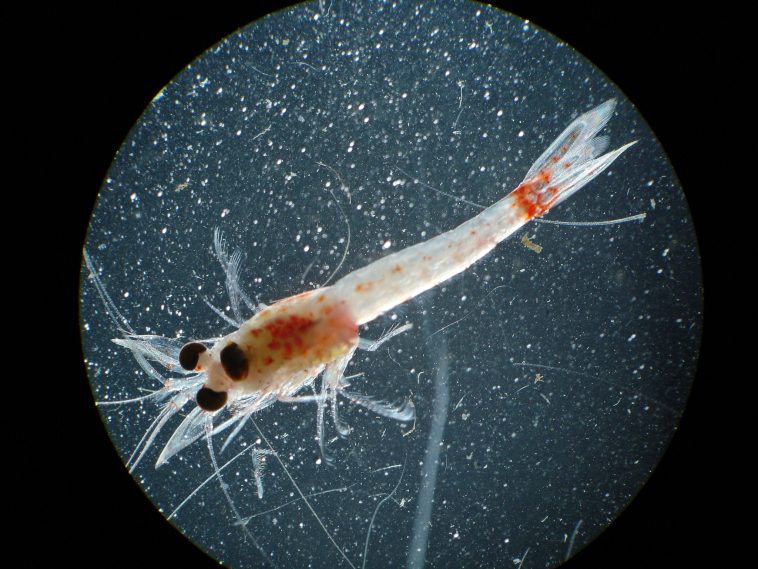
Over the past few decades, the story of the bloody red shrimp has gradually unfolded. Originally native to the Caspian and Black Sea regions, these tiny, translucent crustaceans likely arrived in North America via ballast water from cargo ships. While these shrimp may appear insignificant due to their small size—a mere quarter to a half inch—their population explosion and subsequent spread into Lake Superior, the final frontier, indicate a worrying shift in the local aquatic community.
Tracing the Journey: From Exotic Arrival to Established Invader
Invasive species are often full of problems for local ecosystems, and the bloody red shrimp is no exception. Researchers first detected these creatures in 2006 from samples collected in Muskegon, along the waterways connected to Lake Michigan. What started as a single detection quickly evolved into a scenario where, by 2025, studies recorded the capture of 81 specimens at key monitoring sites like Wisconsin Point and the Montreal Pier in Duluth-Superior Harbor.
This progression raises many tangled issues regarding the way invasive species spread. While experts originally noted only isolated incidents in 2017, it is now evident that the shrimp have firmly embedded themselves as permanent residents across the lakes. Their establishment in Lake Superior, a body of water that once seemed resistant due to colder temperatures and isolation, highlights both the adaptability of the species and the myriad challenges that arise when non-native life forms disrupt natural habitats.
Ecological Impact and the Tricky Parts of Invasive Species
The ecological consequences of an invasive species, especially one as widely spread as the bloody red shrimp, are both unpredictable and potentially severe. Researchers are particularly concerned about the shrimp’s broad omnivorous diet, which allows it to feed on a wide variety of microscopic life forms and even detritus that forms the base of the aquatic food web. This dietary flexibility could lead to profound shifts in the existing ecological balance.
Consider the following bullet points when thinking about how such invasions might affect the Great Lakes:
- Reduction in natural zooplankton populations
- Alteration of nutrient flows and contaminant pathways
- Competition with native species for food and space
- Potential cascading effects on fish and other aquatic species
In European reservoirs, where the bloody red shrimp has established a foothold for a longer period, studies reported significant reductions in both the biomass and diversity of zooplankton. Such changes represent not just a minor shift in species numbers but a radical transformation of the delicate food web that sustains the ecosystem’s health and resilience.
Monitoring the Invasion: Continued Research and Early Detection
One of the key challenges in managing invasive species is monitoring their numbers and spread effectively. In the case of the bloody red shrimp, researchers from respected institutions like the University of Minnesota Duluth, University of Wisconsin Superior, and Hobart and William Smith Colleges have taken an active role in tracking the shrimp population. Using techniques that include traps, nets, and biweekly sampling at strategic points like the Montreal Pier, these teams are committed to getting into the nitty-gritty of the situation.
Modern monitoring also involves innovative approaches, such as environmental DNA (eDNA) techniques. These methods have become essential tools in detecting the presence of invasive species before they become too problematic. While the Michigan Department of Natural Resources currently lacks evidence of the shrimp in inland lakes, the broader surveillance conducted by the U.S. Fish & Wildlife Service provides early warnings that are super important for deploying preemptive measures.
Assessing the Hidden Complexities of Nutrient Pathways
One of the more subtle aspects of the shrimp invasion is its potential to alter nutrient and contaminant pathways in nearshore food webs. According to leading researcher Donn Branstrator from the University of Minnesota Duluth, the shrimp’s omnivorous nature might create new routes by which nutrients and pollutants are transferred among species. This creates a chain reaction that could lead to unexpected ecological shifts.
Some of the subtle details of this phenomenon include:
- The redistribution of vital nutrients across species that previously had limited interaction
- The increased likelihood of contaminants being channeled into new parts of the food web
- An overall restructuring of the delicate balance within nearshore ecosystems
These latent issues remind us that even the smallest species can trigger big chains of events. The dynamic nature of aquatic ecosystems means that once a disruptive organism like the bloody red shrimp takes hold, it may be challenging to steer through the resulting ecological changes.
Learning from European Experiences: A Cautionary Tale
History often offers a window into the possible outcomes of similar invasions. In Europe, the introduction of the bloody red shrimp has been linked to profound ecological shifts. Researchers observed that affected reservoirs exhibited a marked decline in the diversity and biomass of zooplankton—a cornerstone of aquatic ecosystems. These findings highlight a critical point: even a minute organism can have large-scale effects if it disrupts a well-established food chain.
European studies also serve as a reminder of the unpredictable nature of ecological invasions. While initial reactions might downplay the threat posed by small crustaceans, the long-term impacts can be far-reaching. This European experience reinforces the need for continual monitoring, early detection, and proactive research to ensure that unexpected twists and turns are managed with caution.
Examining the Possible Future: Predictions and Preparatory Measures
The future of the Great Lakes in the face of the bloody red shrimp invasion is still uncertain. While the current evidence does not point to immediate, catastrophic consequences, the potential for significant ecological shifts is tangible. As scientists continue to collect data and monitor population trends, several scenarios could unfold:
| Scenario | Potential Impact |
|---|---|
| Limited Spread | The species remains confined to nearshore areas without significant ecological disruption. |
| Moderate Expansion | There is a noticeable decline in zooplankton diversity, affecting fish populations and water quality. |
| Widespread Invasion | The species alters nutrient pathways, allowing contaminants to move through the food web, potentially destabilizing the ecosystem. |
Each scenario comes with its own set of challenges. Predicting the exact path of an invasive species with many fine points is not straightforward. The key lies in preparing for multiple outcomes by investing in enhanced research, environmental monitoring programs, and adaptive management strategies that aim to reduce the risk of irreversible damage.
Community Perspectives: Balancing Recreation, Economy, and Ecology
For the communities surrounding the Great Lakes, the issue goes beyond ecological research. The lakes are hubs for recreation, fishing, and tourism—industries that contribute significantly to the local economy. As residents and business owners begin to notice changes in local fish stocks or water clarity, concerns about both economic hardship and environmental degradation grow.
It’s essential for local stakeholders to take a proactive role in addressing these challenges. Community engagement, coupled with informed policy measures, is key. Consider the following actions that local communities and policymakers might explore:
- Enhanced public education efforts on invasive species
- Stronger regulations on ballast water management in shipping
- Increased funding for continuous aquatic monitoring programs
- Development of contingency plans to mitigate economic losses in fisheries and tourism
By working together, community members and government agencies can figure a path through this environmental conundrum. The involvement of local citizens not only helps in the early detection of such invasive species but also builds a collective momentum toward preserving the delicate balance of these natural wonders.
Policy and Regulation: Responding to Environmental Challenges
The emergence of the bloody red shrimp in the Great Lakes is a signal that current policy and regulatory frameworks may need to be revisited. The potential for invasive species to create a cascade of changes is more than just an ecological issue—it is a call to action for science-based policy reform.
Key regulatory steps that could help manage the situation include:
- Implementing stricter ballast water discharge standards for international shipping vessels
- Integrating new monitoring technologies like eDNA screening into standard surveillance protocols
- Fostering cross-state and federal collaboration to share data and coordinate responses
- Encouraging community-based conservation programs that support local industries impacted by ecological changes
These measures, though they come with their own set of tricky parts and twists and turns, represent an essential strategy in mitigating the broader impacts of invasive species. Policy innovation is critical—without it, we risk being overwhelmed by the nerve-racking consequences of environmental neglect.
Understanding the Broader Ecological Picture
The situation with the bloody red shrimp provides an opportunity to reflect on the interconnectedness of aquatic ecosystems. The Great Lakes are not isolated bodies of water; they are part of a larger network that includes numerous tributaries, wetlands, and adjacent inland lakes. When an invasive species spreads even in one part of the system, there is the potential for far-reaching ripple effects.
For example, consider how the shrimp’s presence might influence other invasive species. Scientists are already keeping an eye on various nonnative species that have been slowly infiltrating the Great Lakes. The cumulative impact of multiple invaders could magnify the ecological stress on these waters, creating a situation that is both full of problems and increasingly on edge.
By examining the interplay between different invasive organisms, it becomes clear that a multipronged strategy is essential. This integrated approach could include:
- Holistic monitoring of aquatic species across different trophic levels
- Coordinated research efforts that compare experiences in the Great Lakes with international case studies
- Adaptive management practices that are flexible enough to handle sudden ecological shifts
- Public-private partnerships to secure funding for extensive environmental protection programs
Recognizing these challenges means staying vigilant and being prepared for any sudden changes in the local ecosystems. The hidden complexities of such interactions remind us that the overall health of the Great Lakes is a shared responsibility—one that demands collaboration across multiple fronts.
Local Voices: The Role of Citizen Science in Monitoring Invasions
Amid the larger institutional efforts to monitor the bloody red shrimp population, the role of citizen science deserves particular attention. Local anglers, boaters, divers, and nature enthusiasts are often the first to notice subtle changes in their environment. Their observations provide a valuable supplement to the data collected by professional scientists.
Certainly, people on the ground are well positioned to spot early warning signs. For example, routine fishing trips may reveal a gradual decline in native fish populations—a potential indirect consequence of the shrimp invasion. Similarly, divers exploring nearshore waters might observe unexpected shifts in water clarity or plant growth patterns that signal broader ecological adjustments.
This grassroots level of monitoring helps build a more detailed picture of the ongoing invasion. To maximize the benefits of citizen science, communities can adopt initiatives such as:
- Establishing local reporting networks that allow residents to share their observations via mobile apps or online platforms
- Hosting workshops that educate the public on identifying invasive species and understanding their impacts
- Collaborating with schools and universities to integrate local environmental monitoring into educational curricula
- Setting up community-based monitoring sites where regular data collection is encouraged and supported
These initiatives not only aid scientific research but also foster a deeper community connection to one’s natural surroundings. In the long run, they can help ensure that early detection and rapid response become part of the local culture—enabling communities to work together in managing and mitigating future ecological challenges.
Reassessing Our Relationship with the Natural World
The bloody red shrimp’s establishment in the Great Lakes is more than just an environmental statistic. It is a reminder of the ongoing tension between human activities and the natural ecosystems we rely on. From the accidental transportation of species in ballast water to the gradual shift in nutrient pathways within nearshore food webs, every step in the invasion process reflects the unintended consequences of our actions.
This realization invites us to take a step back and reexamine the fine points of our relationship with the natural world. It becomes crucial to question how modern industrial practices and environmental policies can coexist without compromising the health of the ecosystems that support our livelihoods. Facing these complicated pieces requires a balanced approach:
- Reflect on the cumulative effects of human activities on natural habitats
- Embrace new technologies and scientific methods to monitor and protect ecosystems
- Engage with experts and policymakers to craft forward-thinking strategies
- Empower communities to play an active role in environmental stewardship
By understanding these hidden complexities and their subtle parts, we can begin to figure a path towards a more sustainable coexistence with the environment. While challenges remain, proactive engagement and continuous learning offer promising avenues for addressing ecological invasions and preserving the natural balance of our treasured Great Lakes.
Practical Steps Forward: Community-Driven Conservation and Policy Innovation
Moving from observation to action is the next critical stage in addressing the invasion of the bloody red shrimp. Both local communities and regulatory bodies are faced with multiple options to mitigate further ecological damage. However, there is no one-size-fits-all approach. Instead, each stakeholder must work through the unique twists and turns of this challenge by embracing targeted strategies.
Here are practical steps that can be taken to manage the current situation and prepare for potential future impacts:
- Enhance Monitoring Techniques: Increase the frequency and geographic scope of aquatic sampling for invasive species, leveraging both traditional nets and advanced eDNA methods.
- Improve Public Awareness: Host community workshops and public seminars to inform locals about invasive species, their identification, and how they can report unusual findings.
- Strengthen Regulatory Measures: Advocate for stricter ballast water regulations and more coordinated inter-state monitoring programs to prevent further introductions.
- Foster Research Collaborations: Encourage partnerships between academic institutions, government agencies, and environmental organizations to share data and resources.
- Promote Sustainable Practices: Support initiatives that reduce the environmental footprint of shipping and industrial activities, thereby lowering the risk of invasive species introductions.
Each of these steps involves working through a series of challenging yet manageable issues—often requiring a steady hand to make your way through the nerve-racking regulatory and ecological labyrinth.
Striking a Delicate Balance: Human Impact and Natural Resilience
It is important to recognize that the invasion of the bloody red shrimp, while concerning, is not necessarily a harbinger of immediate widespread ecological collapse. Rather, it underscores the dynamic nature of aquatic ecosystems and the delicate balance between human influence and natural resilience. The Great Lakes have weathered many environmental shifts over time, adapting to changes whether driven by natural processes or human activity.
This dynamic interplay presents both caution and hope. On one hand, the shrimp’s growing population signals that we must address invasive species with urgency and precision. On the other hand, the resilience seen in natural systems encourages us to trust that with thoughtful intervention and responsible practices, recovery is possible.
To conceptualize this balance, consider the following table which outlines potential positive and negative outcomes of the current situation:
| Aspect | Potential Outcomes |
|---|---|
| Ecological Balance |
|
| Economic Impact |
|
| Community Engagement |
|
This balanced view reaffirms that while the invasive shrimp presents new challenges, it also opens the door for a refined and more concerted approach to environmental management. Recognizing and addressing the subtle differences between a transient nuisance and a life-altering ecological shift is key to crafting policies that are both adaptive and forward-thinking.
Reflections on a Shared Future with the Great Lakes
The unfolding saga of the bloody red shrimp in the Great Lakes is not just a story of an invasive species—it is a narrative that touches on our collective stewardship of one of North America’s most cherished natural resources. As we witness these tiny invaders making their way into every corner of the lakes, it forces us to reexamine the broader implications of human impact on aquatic environments.
Only through ongoing research, community involvement, and responsive policymaking can we hope to find our way through this maze of environmental challenges. By continuing to monitor the situation, investing in innovative management strategies, and fostering a healthy dialogue between scientists, policymakers, and local communities, we may yet protect the delicate tapestry of life that sustains the Great Lakes.
In many ways, the bloody red shrimp serves as a microcosm of broader environmental issues. Its journey from distant seas into our inland waters reflects not only the unpredictable nature of invasive species but also the intertwined destinies of human economic pursuits and natural ecosystem dynamics. It is a reminder that every action has consequences—often rippling far beyond their initial impact.
Conclusion: Charting a Wise Course Forward
As the bloody red shrimp continues its spread across the Great Lakes, the need for careful, informed, and proactive management has never been greater. While experts like Professor Donn Branstrator and his research colleagues are hard at work collecting data and digging into the fine shades of the shrimp’s impact, we as a society must also engage in a broader conversation about the balance between progress and conservation.
In confronting this challenge, there is no room for complacency. The potential for substantial changes in nutrient pathways, shifts in fish populations, and broader ecological disruption forces us to take clear, decisive action. Whether you are a policymaker, an environmental activist, a local resident, or simply a regular visitor to the Great Lakes, the situation demands that we all work together to figure a path forward.
By strengthening monitoring programs, fostering community-based initiatives, and championing science-informed regulatory reforms, we empower ourselves to not only react to the present crisis but also lay the groundwork for a resilient and sustainable future. Every subtle part of this issue—from the minute details of zooplankton dynamics to the broader challenges of international shipping regulations—requires our attention and collective effort.
Let the invasion of the bloody red shrimp be a wake-up call. A reminder that our natural world is intricately connected and that even the smallest creature can have a profound effect on an entire ecosystem. In balancing economic interests, recreational joys, and environmental health, we hold the key to safeguarding the Great Lakes for future generations.
In this critical time, embracing both modern technological tools and community wisdom is essential. As we take the wheel in managing our natural resources, we must look into the future with hope, determination, and a shared commitment to preserving one of our planet’s greatest treasures. The road ahead may be full of challenges and nerve-racking decisions, but together we can pave a safe, sustainable path for all.
Originally Post From https://mynewberrynews.com/features/great-lakes-face-new-threat-as-bloody-red-shrimp-population-grows/
Read more about this topic at
Killer Shrimp – Profile and Resources
Killer Shrimp (Dikerogammarus villosus) – High Risk